What Is Cosmetic Bonding?
Bonding uses a tooth-coloured composite resin sculpted and hardened onto the tooth to repair chips, close gaps, reshape irregular teeth, cover discolouration and replace old fillings. It's one of the most conservative cosmetic treatments — usually requiring little to no removal of tooth structure — and is done in a single visit. It's a versatile, affordable option for many smile improvements.
What Bonding Can Fix
Bonding suits a range of concerns:
-
Chipped or fractured teeth.
-
Small gaps between teeth.
-
Teeth that are uneven, short or irregular.
-
Discolouration and white spots.
-
Exposed roots from receding gums.
-
Replacing old metal fillings with tooth-coloured restorations.
The Process
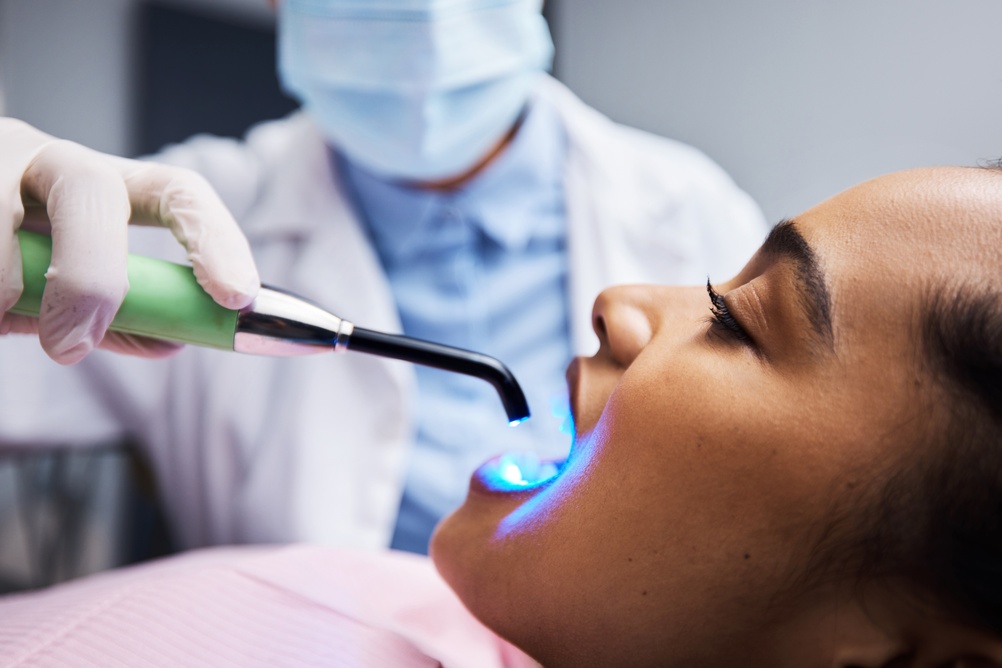
Bonding is typically done in one visit. The dentist prepares the tooth surface minimally, applies a conditioning gel, then layers and sculpts the resin to the desired shape before hardening it with a light and polishing. No impressions or lab work are needed, which is why it's faster and cheaper than veneers. The skill of the dentist in sculpting and colour-matching determines the naturalness of the result.
Candidacy
Bonding suits people with healthy teeth and gums who want conservative, reversible-ish improvements. It's less suitable for large restorations, heavy grinders (without protection) or major bite issues. A dentist assesses whether bonding will give the strength and aesthetics you need, or whether veneers or crowns are a better long-term choice.
Care and Longevity
Bonding needs care to last:
-
Avoid biting hard objects that can chip the resin.
-
Limit staining food and drink, or rinse after.
-
Don't smoke — resin stains more than porcelain.
-
Wear a night guard if you grind.
-
Polishing at check-ups refreshes the finish.
Advantages and Limits
Bonding's strengths are speed, cost and conservatism — it preserves tooth structure and can often be redone or upgraded later. Its limits are durability and stain resistance compared to porcelain. For someone unsure about committing to veneers, bonding can be a stepping stone or a long-term solution depending on the case.
A Final Word
Bonding is a quick, affordable, conservative way to refresh and repair your smile. Choose a dentist skilled in cosmetic resin work, care for it well, and it can deliver excellent, natural results — sometimes all you need.