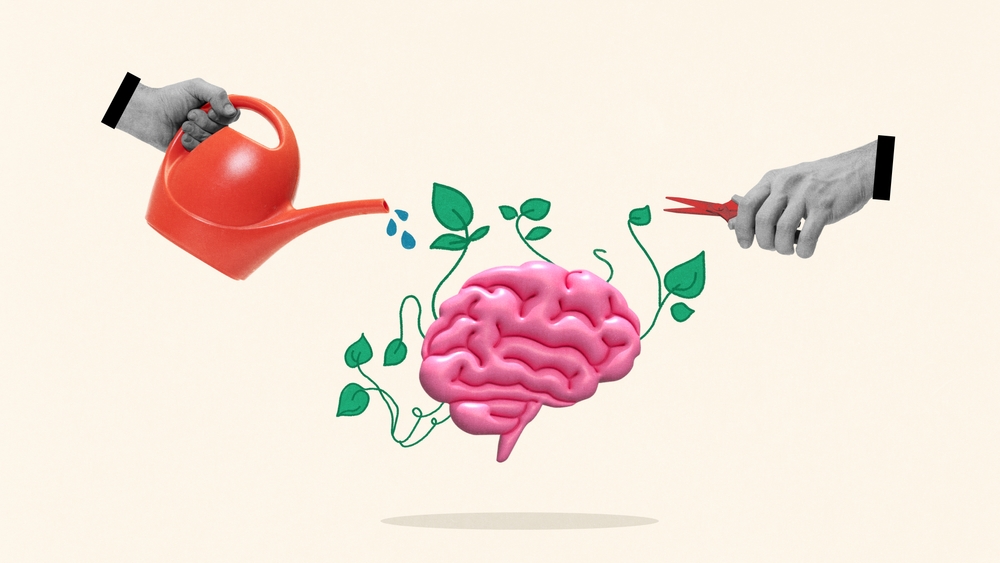
An accessible entry point for readers who may not identify as having a mental-health condition. What good mental health looks like, how to notice when you're struggling, and the everyday habits that genuinely support your mind.
Tap any guide to read what it covers, what to look out for and what to do next.
Good mental health is not feeling happy all the time, and it is not the absence of difficulty. It is the capacity to feel the full range of human emotion, cope with ordinary stress, keep functioning and stay connected to other people.
Medical review: Mental health content on HealthLab is written to be read alongside professional care, not instead of it. It is educational information only and cannot replace an assessment by a registered practitioner.
Dr Alison Richardson · MBChB (Wits)
Botox treatment in neurological practice · HPCSA Practice No. MP0633437
View certificateDementia describes a decline in thinking that interferes with everyday independence; Alzheimer’s disease is one possible cause, not a synonym for every memory problem. A careful assessment matters because some causes of confusion and memory difficulty are treatable, and an early diagnosis leaves more time to plan care on the person’s own terms.
If you came to see me worried that you or a parent might have Alzheimer’s, I would ask for examples of what has changed. Is the person repeating the same question, missing payments, getting lost on a familiar route, making mistakes with medicines, struggling to find words, or simply taking longer to recall a name? I would ask when it began, how it has progressed and what the person can still do independently. With permission, I would hear from someone who knows them well.
Dementia is a clinical syndrome, not one disease. Alzheimer’s often begins with difficulty learning and retaining new information, but vascular disease, Lewy body disease, frontotemporal disease and mixed causes can look different. Some people first notice changes in judgement, language, behaviour, movement or visual perception. Mild cognitive impairment means measurable change without the same loss of independence; it does not inevitably become dementia.
A sudden change over hours or days is different. I would look urgently for delirium, often triggered by infection, dehydration, a medicine or another acute illness. Depression, poor sleep, hearing loss, thyroid problems, vitamin B12 deficiency and medication effects can also imitate or worsen cognitive symptoms. In South Africa, an assessment may also need to consider HIV and other infections where the history warrants it. I would never diagnose Alzheimer’s from one short memory test or a brain scan alone.
I also want to know what matters to the person now: staying at home, driving, handling money, working, or avoiding distress to the family. We should involve them in decisions while they can express their wishes clearly.
For selected people with Alzheimer’s, donepezil, rivastigmine or galantamine may modestly help symptoms or slow worsening for a time; memantine is used at particular stages or when these medicines are unsuitable. These medicines do not cure the disease or restore lost abilities. An individual may feel clearer or manage tasks a little better, while another notices little change. A useful review compares everyday function and side effects over the following months, rather than promising a dramatic transformation.
I would also address blood pressure, diabetes, cholesterol, smoking, sleep, mood, hearing, vision, falls risk and unnecessary sedating medicines. Structured support for the person and their care partner is part of treatment, not an optional extra. Benefit may mean fewer missed medicines, calmer mealtimes, less distress and a caregiver who can keep going.
Practical brain-health measures are worthwhile even after a diagnosis: support safe physical activity and social connection, address hearing and vision loss, and manage high blood pressure, raised LDL cholesterol, diabetes and smoking. These can reduce modifiable risks, but they cannot be promised to prevent or reverse dementia.
Lecanemab and donanemab are anti-amyloid treatments authorised in some countries for carefully selected people with early symptomatic Alzheimer’s and confirmed amyloid changes. In trials they slowed average decline modestly; they do not reverse dementia. They require specialist testing, repeated infusions and MRI monitoring, and can cause brain swelling or bleeding. Approval, funding and practical access differ by country. Their South African registration and availability should be verified with SAHPRA and a treating specialist at the time of care, rather than assumed from overseas news.
Donepezil, rivastigmine and galantamine can cause nausea, diarrhoea, reduced appetite, weight loss, vivid dreams or sleep disturbance, particularly when started or increased. Memantine may cause dizziness, headache or constipation. Tell the clinician if a medicine makes eating, walking or sleep worse.
Cholinesterase inhibitors can slow the heart rate and contribute to fainting or falls, especially alongside certain heart medicines. They may aggravate some heart rhythm problems and require individual review. Memantine dosing may need adjustment with impaired kidney function. Medicines used for agitation or sleep can sometimes worsen confusion and falls; antipsychotics carry important stroke and mortality risks in older people with dementia and should be reserved for carefully assessed situations.
Before starting donepezil, rivastigmine or galantamine, ask the clinician to check the pulse, history of fainting and medicines that slow the heart rate. An ECG may be appropriate if bradycardia, syncope or known conduction disease is a concern.
A sudden severe change in alertness, new weakness, seizures, head injury, inability to drink or severe agitation may indicate an acute illness or injury, not ordinary dementia progression. Anti-amyloid treatments can cause amyloid-related imaging abnormalities, including swelling and bleeding in the brain, sometimes with headache, confusion, visual change or neurological symptoms; a specialist programme must explain the emergency pathway.
Needs change over time. Falls, wandering, swallowing, nutrition, infections, pain and caregiver exhaustion can become more important than a memory score. Review whether treatment still gives worthwhile benefit. A medication should not continue automatically if adverse effects outweigh any useful change, but changes should be agreed with the prescribing clinician.
Bring every prescription, over-the-counter medicine, herbal product and supplement to review. Some medicines with anticholinergic effects, sedatives and certain pain or sleep medicines worsen memory or alertness. Drugs that slow the pulse may compound the effects of cholinesterase inhibitors. Blood thinners and MRI findings matter greatly when assessing anti-amyloid therapy. Never stop a necessary medicine without an agreed alternative.
Seek emergency assessment for sudden confusion, new one-sided weakness, speech or vision loss, a seizure, severe headache, collapse, serious head injury, or inability to keep the person safe or hydrated. If they are receiving an anti-amyloid medicine, tell the emergency team its name. New confusion developing over hours or days is not something to put down to “just dementia”.
A GP or clinic assessment is appropriate when cognitive or behavioural change is persistent, progressive, noticed by others or affecting practical tasks. Do not wait until the person can no longer manage alone. A neurologist, geriatrician, old age psychiatrist or memory service can help when the diagnosis is uncertain, symptoms begin unusually young, presentation is atypical, behaviour or movement symptoms dominate, or treatment choices are complex.
Alzheimer’s symptom medicines are considered after a subtype and stage assessment, taking account of heart rate, falls, weight, other illnesses, medicines and the person’s preferences. Anti-amyloid therapies are only for a narrow early-stage group in settings that can confirm the disease and provide safe monitoring; they are not appropriate for all dementia, advanced disease or someone without a clear diagnosis. Sudden confusion or rapidly worsening symptoms need urgent assessment first.
After starting or changing a symptomatic medicine, clinicians commonly check tolerability within weeks and reassess meaningful benefit over the next few months. Thereafter, regular reviews should cover function, safety, support needs and whether the medicine remains worthwhile; the interval depends on stage and clinical risk. New abrupt change should be assessed promptly, not saved for the next planned review.
Not usually. Misplacing keys and later retracing your steps can occur with ageing or stress. Repeating questions, becoming lost, losing the ability to manage familiar tasks or a clear progressive change deserves assessment.
No single routine test answers everything. Diagnosis combines the story, daily function, examination and cognitive testing, sometimes with imaging and specialist biomarkers. The result should be explained in the person’s language and context.
Usually yes, sensitively and in a way they can understand. Ask what they want to know and whom they want involved. The diagnosis belongs to the person, even when family members are worried about upsetting them.
Some people with early disease can drive for a time, but safety depends on judgement, attention, navigation and actual driving ability, not the diagnostic label alone. Discuss concerns promptly with the treating clinician and follow the applicable licensing and insurer requirements. A recent near miss, getting lost or slow reactions warrants stopping until assessed.
Capacity is decision specific and may remain intact for many choices. Discuss work adjustments, trusted financial help, consent and future wishes early. For legal documents and local requirements, get appropriate South African legal advice while the person can still participate.
South African legal planning point: an ordinary power of attorney generally falls away when the person loses the capacity to understand and authorise it. Discuss a valid will, trusted financial oversight, care wishes and possible future legal arrangements early with a South African attorney; curatorship is not automatic and requires individual consideration.
There is no good evidence that these cure Alzheimer’s. Treat confirmed deficiencies and support general health, but be wary of expensive promises. Enjoyable activities can still have value even if they do not halt the disease.
No. Symptoms and pace vary. Behaviour changes may reflect pain, fear, constipation, poor hearing, infection, medication effects or an environment that is too demanding. Look for the cause before asking for a sedative.
Keep a simple record of changes, attend the appointment if invited, simplify routines, label essentials, check medicine safety and identify one reliable point of contact. Ask the person what support they want rather than taking over every decision.
For caregivers, agree on a back-up contact and regular breaks or respite care. Keep an up-to-date medication list and emergency contacts, and seek an occupational therapist’s home-safety or functional assessment if cooking, medicines, wandering or falls are becoming a concern.
Most cases are not caused by a single inherited gene. A strong pattern across generations, especially with onset before 65, merits specialist discussion. Direct-to-consumer genetic results do not establish whether someone has dementia.
There is no reliable timetable for one person. Subtype, other illnesses and support all matter. Plan for likely changes, but review the person in front of you instead of treating a predicted stage as destiny.
Arrange a GP or clinic assessment for persistent or progressive changes, preferably with a trusted person and examples of what has changed.
Request a neurologist, geriatrician, old age psychiatrist or memory-service opinion when the diagnosis or treatment decision is complex.
Seek emergency care for sudden confusion, stroke-like symptoms, a seizure, collapse or inability to keep the person safe.
In the public sector, start at a local primary-care clinic or GP and ask about a referral to a suitable district or tertiary service, plus social work or occupational therapy where needed. Support-group meetings, costs and specialist-service availability vary by area; confirm directly with the organisation.
These South African contacts were checked in October 2026; helplines, venues and online-group times can change. None replaces an individual medical assessment.
NICE guideline NG97, Dementia: assessment, management and support (nice.org.uk/guidance/ng97); US National Institute on Aging, Assessing Cognitive Impairment in Older Patients (nia.nih.gov); Alzheimer’s Association clinical resources on anti-amyloid treatment and monitoring (alz.org); 2024 Lancet Commission on dementia prevention, intervention and care. Drug registration and local access require a current South African check.
Additional evidence for highlighted material (checked 13 October 2026): NICE NG97 (nice.org.uk/guidance/ng97); Alzheimer’s Association DETeCD-ADRD primary-care diagnostic recommendations (pmc.ncbi.nlm.nih.gov/articles/PMC12173843/); 2025 specialist blood-biomarker guideline (doi.org/10.1002/alz.70535); WHO iSupport (who.int/teams/mental-health-and-substance-use/treatment-care/isupport); and Tibshraeny v Tibshraeny [2025] ZAWCHC 117 (www3.saflii.org/za/cases/ZAWCHC/2025/117.html).
If you remember only three things from this page
Educational only — not a substitute for individual medical advice.
Mental wellbeing is more than the absence of a diagnosis. It describes your capacity to cope with ordinary stress, keep functioning day to day, stay connected to the people around you and recover from difficulty. That capacity is not fixed — it rises and falls with sleep, load, health, relationships and circumstance, which means it can be actively maintained. The practical markers are unglamorous: consistent sleep and wake times, regular meals, movement, some structure to the day, and at least one or two relationships where you can be honest about how you are actually doing.
In South Africa, where load-shedding, financial pressure, crime and long commutes place real strain on ordinary life, it helps to separate mental health from mental illness. Mental health sits on a continuum that everyone occupies; mental illness is a diagnosable condition with defined symptoms, duration and functional impact. You can have good mental health and a diagnosed condition, or poor mental health and no diagnosis at all. What matters is not the label but the trend: if distress has lasted more than a few weeks, most days, and is costing you sleep, work or relationships, that is the point to have it assessed — not after it becomes a crisis.
Getting help early is not an overreaction, and it is not a sign of weakness. In South Africa, support ranges from free counselling through SADAG and Lifeline, to primary-care clinics in the public sector, to private psychologists and psychiatrists. HealthLab’s Mental Wellbeing section is written as an entry point: what good mental health looks like, how to notice when you are struggling, and the everyday habits that genuinely support the mind. It is educational information, reviewed for accuracy, and designed to sit alongside professional care rather than replace it.