Skincare Professional
Clinical Skincare

Clinical Skincare.
Professional. Performance. Results.

Developed for professional skin therapists and sold through clinics, salons and spas — clinical skincare uses higher-performance active ingredients to complement in-clinic treatments and deliver results beyond mass-market brands.

Developed for professional skin therapists
Sold through clinics, salons, spas & stockists
Higher-performance actives than mass-market
Not prescription-only or pharmaceutical
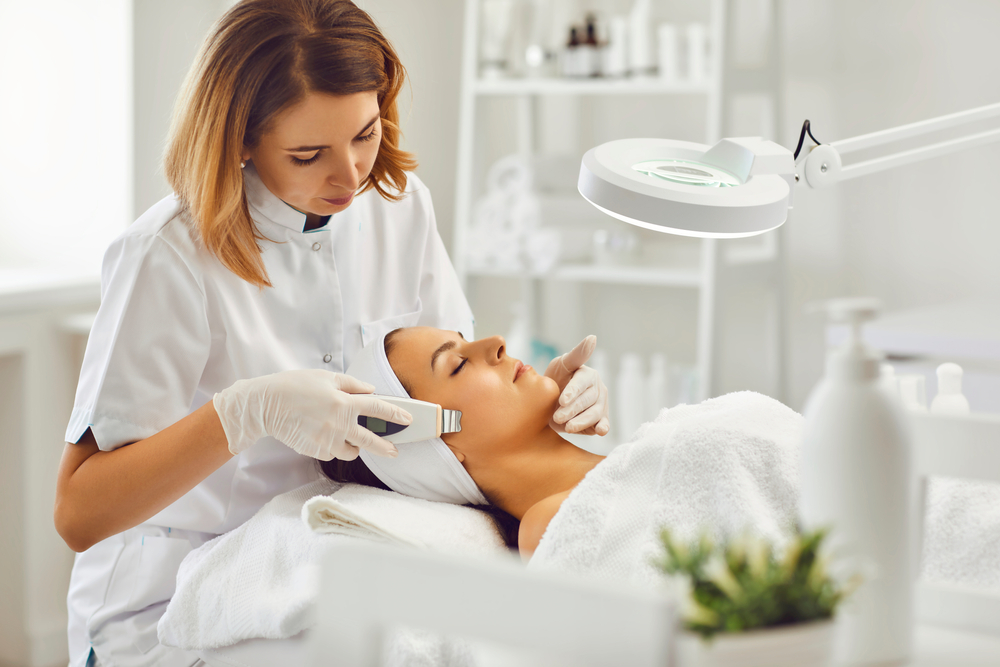
Designed to complement professional treatments
Results-driven with professional guidance

What is Clinical Skincare?

Clinical skincare refers to professional-use products developed for trained skin therapists — sold through skin clinics, salons, spas and authorised retailers rather than mass-market pharmacy shelves. These products use higher-performance active ingredients than most cosmetic brands, are designed to work alongside professional treatments, and are recommended and guided by a qualified skin professional. They are not prescription medications or pharmaceutical products.

Clinical vs Cosmetic Skincare — What’s the Difference?

Clinical Skincare (this section)

  • Developed for professional skin therapists
  • Sold through clinics, salons, spas & stockists
  • Higher-performance actives than mass-market
  • Complements professional treatments
  • Not prescription-only

Cosmetic Skincare

  • Available at Clicks, Dis-Chem, Woolworths
  • Self-selected, no professional guidance needed
  • Mass-market formulation standards
  • Maintains skin health & appearance
  • Ideal foundation for any routine

Clinical skincare sits between everyday cosmetic products and prescription pharmaceuticals — it’s the professional’s choice for treatment room use and home-care protocols that extend the results of in-clinic services.

When Clinical Skincare Makes Sense

You don’t need a prescription to access clinical skincare — but you do benefit from professional guidance. A trained skin therapist can assess your skin, design a protocol and recommend the right clinical products for your home-care routine between treatments.

  • You’re receiving professional treatments: Clinical home-care products extend and protect your in-clinic results between sessions.
  • OTC products aren’t delivering results: Clinical brands offer higher active concentrations formulated for measurable outcomes.
  • Persistent congestion, dullness or uneven tone: A skin therapist can prescribe a clinical protocol targeting your specific concerns.
  • Pre- or post-treatment skin management: Clinical ranges include pre-peel preps and post-treatment recovery products.
  • You want a personalised home-care routine: A skin clinic consultation results in a tailored protocol, not generic shelf picks.
  • Maintaining results after a peel, laser or facial: Clinical SPF and barrier products are key to protecting your investment.

Clinical vs Cosmetic Active Strengths

🏥 Clinical Grade
Retinol 0.5%–1% (professional-strength)
Vitamin C L-ascorbic 15–20% (stable forms)
AHA/BHA blends (clinic-formulated strengths)
Growth factor complexes (clinic-dispensed)
Niacinamide, peptides at clinical concentrations
🏠 Cosmetic / OTC Equivalent
Retinol 0.1%–0.3% (typical OTC range)
Vitamin C 5–10% (often less stable forms)
Mild AHA/BHA at cosmetic concentrations
Standard peptide blends
Niacinamide at general-use concentrations

Clinical Routine Layering

1 Clinical Cleanser

enzyme or AHA-infused

2 Clinical Toner

pH-prep, active delivery

3 Clinical Serum

high-potency actives

4 Clinical Eye Cream

targeted periorbital

5 Clinical Moisturiser

barrier support

6 Clinical SPF

essential final step

Note: Clinical skincare is not a substitute for medical treatment. For diagnosed skin conditions, consult an HPCSA-registered dermatologist.

Articles on Clinical Skincare

View all

Latest Beauty Mythbusters

View all

Clinical Skincare in South Africa: A Complete Guide

Clinical skincare refers to a distinct category of skincare products developed specifically for use by professional skin therapists — sold through skin clinics, spas, salons and authorised retailers rather than mass-market pharmacy shelves. These products are not prescription medications or pharmaceutical treatments. They occupy the space between everyday cosmetic skincare and clinical prescription dermatology, offering higher-performance active ingredients formulated to deliver measurable results in a professional context.

What sets clinical skincare apart is the combination of higher active concentrations, professional formulation standards and the fact that products are recommended and guided by a trained skin professional. Brands like Lamelle, Environ, Dermalogica, SkinCeuticals, Nimue and Medik8 are examples of clinical skincare ranges distributed through authorised skin clinics and salons across South Africa — they are not typically stocked at general retailers, because they are intended to be used within a professional treatment context or as a clinician-recommended home-care protocol.

Clinical skincare is particularly valuable as home-care support between professional treatments. After a peel, facial, microneedling session or laser treatment, the skin therapist’s recommended clinical home-care products extend the results, protect the skin barrier and prevent regression. Using clinical-grade SPF, barrier support and targeted actives at home maximises the return on any in-clinic investment.

If you are interested in upgrading to clinical skincare in South Africa, the best starting point is a consultation with a qualified skin therapist at a registered skin clinic or aesthetic spa. They can assess your skin, identify your primary concerns and design a clinical home-care protocol that complements your in-clinic treatments.