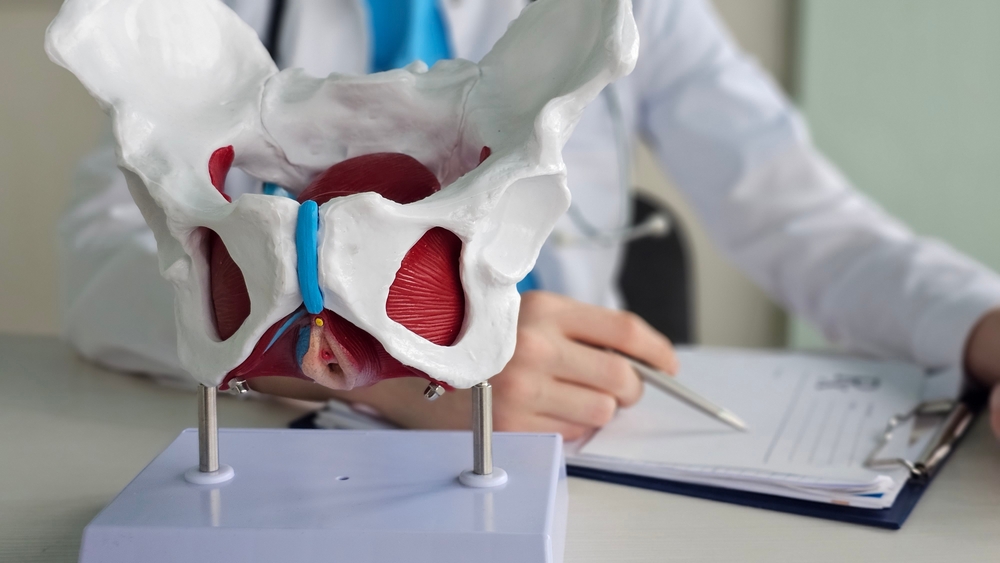
Pelvic floor dysfunction is one of the most prevalent and under-treated health issues affecting women in South Africa. Estimates suggest that up to one in three women experience some form of pelvic floor disorder during their lifetime — yet the majority suffer in silence, believing their symptoms are a normal consequence of childbirth or ageing. They are not. Effective, evidence-based treatment is available, and the first step is education.
Pelvic Floor Education
The pelvic floor is a group of muscles, ligaments and connective tissues that form the base of the pelvis, supporting the bladder, bowel and uterus. These muscles control urinary and faecal continence, support pelvic organs, contribute to sexual function, and play a critical role in stabilising the spine and pelvis during movement. Both weakness and excessive tension in the pelvic floor can cause symptoms — which is why a proper assessment is essential before beginning any exercise programme.
Pelvic Floor Conditions
The most common pelvic floor conditions in women include urinary stress incontinence (leaking with physical activity), urge incontinence (sudden urgency), pelvic organ prolapse (descent of the bladder, uterus or rectum into the vaginal canal), overactive bladder, and hypertonic (too-tight) pelvic floor dysfunction. Conditions like endometriosis, interstitial cystitis and vaginismus also have significant pelvic floor involvement. Many of these conditions respond excellently to pelvic physiotherapy, lifestyle modifications and, where indicated, surgical intervention.
Pelvic Health Assessment
A pelvic health assessment by a trained pelvic floor physiotherapist typically involves a thorough history, external and internal assessment of muscle function, and the development of an individualised treatment plan. Every woman who has given birth — regardless of whether she had a vaginal or caesarean delivery — benefits from a postnatal pelvic floor assessment. HealthLab’s professional directory can help you find a qualified pelvic health physiotherapist or urogynaecologist in your area across South Africa.