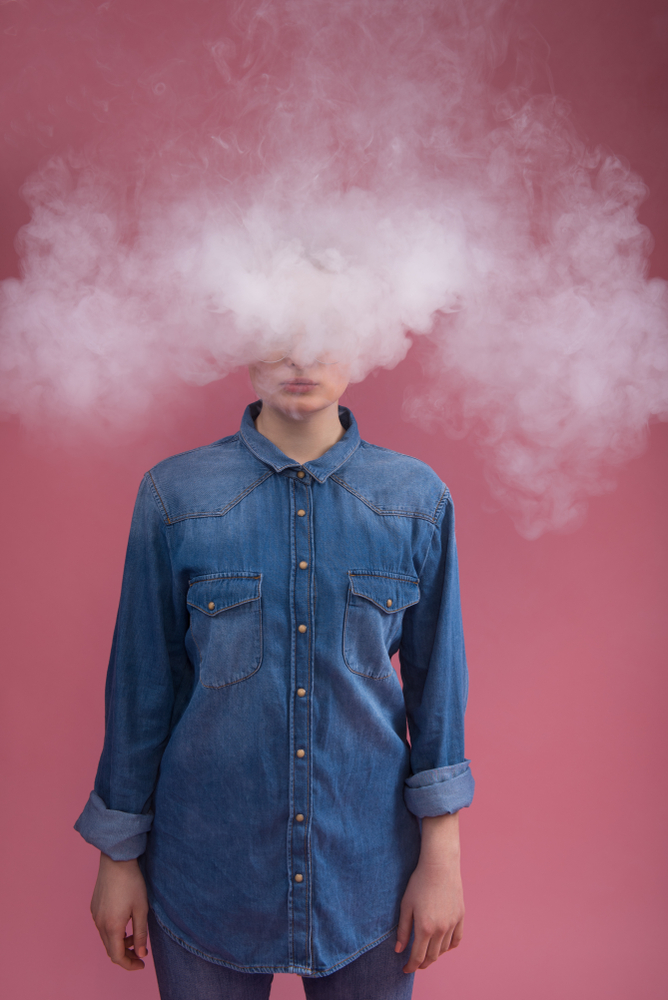
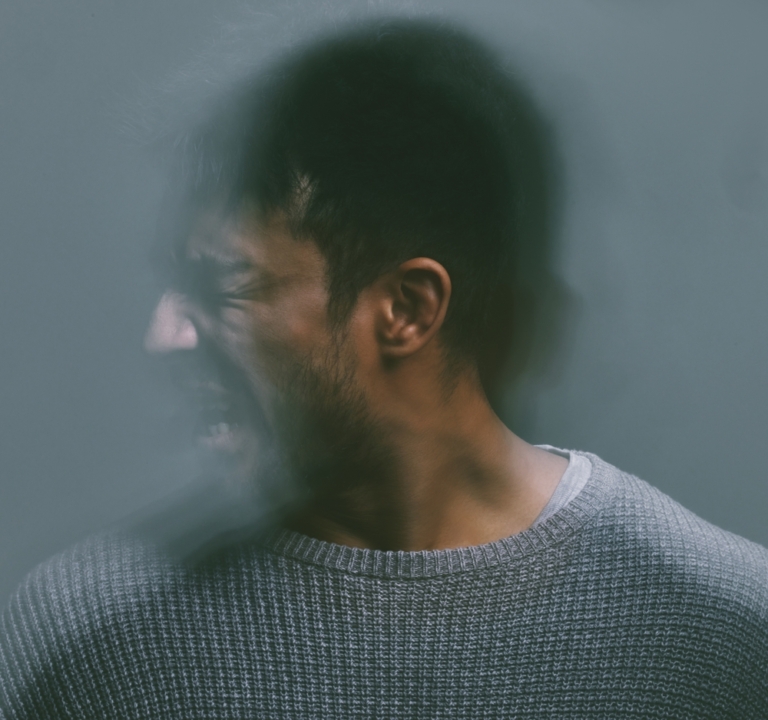
Trauma is not only what happened — it is what the nervous system did to survive it, and how long it stayed switched on afterwards. The threat response is designed to override rational thought, which is why you cannot simply decide to feel safe, and why trauma is stored as fragments of image, sensation and smell rather than as a coherent story with an ending. In the first four weeks after a frightening event, distress, intrusive memories and poor sleep are expected reactions rather than disorders. Most people improve over that period without formal treatment. PTSD is the diagnosis when symptoms persist beyond a month and begin to interfere with work, relationships or daily life.
PTSD symptoms do not always appear immediately, which is why delayed reactions catch people by surprise. Delayed onset is defined as symptoms beginning at least six months after the event, often triggered by a new stressor, an anniversary or something that resembles what happened. Complex PTSD develops after prolonged or repeated trauma — ongoing abuse, domestic violence, captivity or chronic neglect — and affects identity and relationships as well as memory and arousal, which is why treatment is longer and prioritises safety and emotion-regulation skills before trauma processing. South Africa’s high rates of violent crime mean that many people live with the psychological aftermath of a violent event, and hypervigilance, fear of familiar places and disturbed sleep are normal responses to abnormal circumstances, not a failure of resilience.
Grief runs alongside trauma, and it does not follow a schedule. The staged models of grieving were never meant to be a timeline, and most bereaved people move through grief in waves rather than stages. Losing a parent, partner, child or sibling each carries a different weight, and anticipatory grief — mourning that begins before a death — is real grief that deserves the same recognition. Grief rarely needs medicalising, but it can become stuck: persistent yearning that impairs functioning more than a year after a loss, or an inability to accept the death, are signs that professional support would help. Treatment for both trauma and grief is effective and includes trauma-focused therapy, EMDR and medication where appropriate. HealthLab’s trauma and loss section sets out what each condition looks like, how it is assessed and where to get help in South Africa.