The journey from surgery to full health — the phases of healing, how scars mature, what speeds or slows recovery, and the warning signs to act on. This is the long view the procedure pages don't cover.
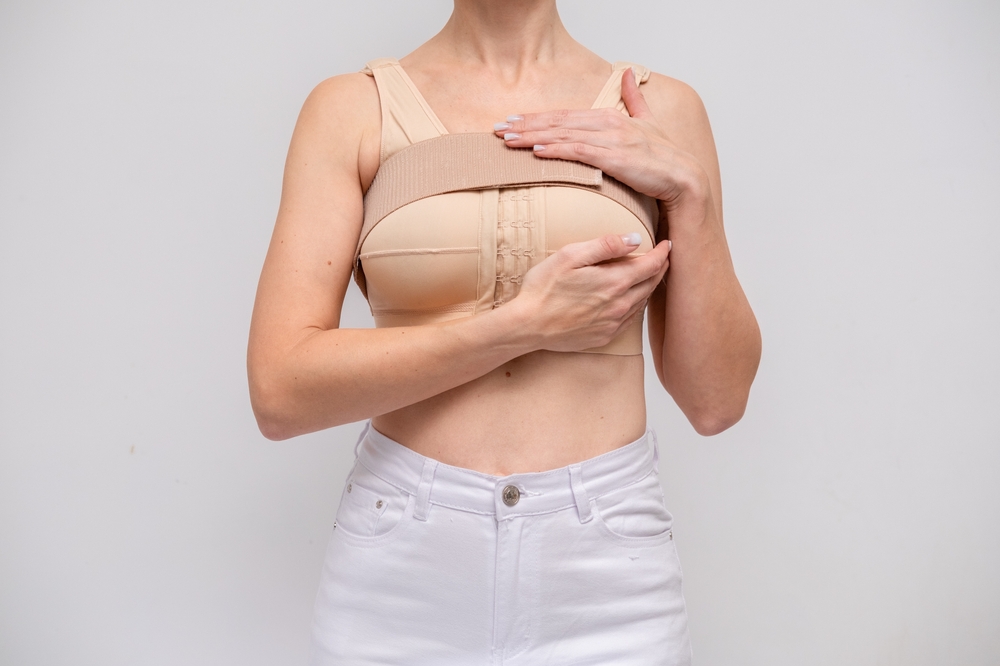
Most people judge recovery by when they're back at work. That's only the beginning. True recovery — tissues fully settled, swelling gone, scars matured and the final result visible — takes anywhere from three to eighteen months. The procedure pages tell you the working timeline; this page covers everything that happens between "back to normal" and genuinely healed.
Six phases every recovery moves through — the biology happening under the surface, and what you can do at each stage. Your procedure sits within this framework; the specifics of "weeks off" are on the procedure pages.
What's happening
Acute inflammation as the body responds to controlled trauma. Swelling and bruising build and peak. Drains may be in place; incisions are fresh and closed.
What you do
Rest, hydrate, eat lightly. Move ankles and legs gently to prevent clots. Keep incisions dry, take prescribed pain relief, and have a responsible adult with you.
What's happening
Bruising shifts colour and fades; swelling begins to ease. Surface incisions close and are assessed at your first review. Energy is still low.
What you do
Take short, gentle walks. Follow wound care exactly, wear compression as directed, and avoid bending or straining. Don't judge the result yet — it's far too early.
What's happening
Surface healing is largely complete. Deeper swelling persists. Scars begin to form and may look red and raised. Sensation may be altered or numb around the site.
What you do
Return to work and light duties. Start silicone scar care once incisions are closed. No heavy lifting or strenuous exercise until your surgeon clears you.
What's happening
Collagen reorganises — scars often thicken before they soften. Residual swelling resolves and sensation usually returns (tingling or stinging is normal). The final shape starts to emerge.
What you do
Resume exercise progressively with clearance. Protect scars from the sun daily. Stay patient — the look at week 6 is not your final result.
What's happening
Swelling fully resolves and contour stabilises. Scars continue to fade and flatten. Implants settle into their final position. Tissues feel 'yours' again.
What you do
Return to full activity. Maintain a stable weight to protect contouring results. Begin long-term implant monitoring if relevant, and compare photos against early recovery.
What's happening
Scars reach their final appearance — pale, soft and flat. Tissues are fully settled and the result is stable. Healing is, at last, complete.
What you do
Keep protecting scars from UV. Attend annual check-ins. Only consider revision after full maturation, and follow your surgeon's implant review schedule.
Returning to work in a week or two means you’re functional — not healed. The result you see early is swollen, bruised and far from final. The weeks and months that follow are when swelling actually resolves, scars mature, sensation returns and the real result appears. Expecting the final look too early is the most common cause of disappointment and premature revision requests. Give it the year it deserves.
The same operation heals differently depending on what you bring to it. These six factors do more to decide your outcome than most patients realise.
The single biggest threat — narrows vessels, delays healing, raises complications
Protein and vitamins fuel tissue repair and immunity
UV permanently darkens immature scars for a year or more
Compression, wound care and activity limits shape the result
Prevents clots early; activity builds back gradually
Most tissue repair happens during deep sleep
Scars are inevitable after surgery, but they're not static — they change dramatically over 18 months. Knowing the stages stops you panicking at month 3.
Inflammatory phase — the scar forms and often looks worse before it looks better. This is normal, not a problem.
Collagen remodels — colour softens from red to pink, texture smooths, and the scar begins to flatten.
Pale, soft and flat — the final appearance. Sun protection throughout is what keeps it light.
A “post-op dip” — feeling low, anxious or regretful in the days after surgery — is common and expected. It’s driven by anaesthesia, discomfort, swelling and the gap between what you expected and what you see early on.
Knowing it’s normal helps it pass. If low mood persists or worsens beyond a couple of weeks, talk to your surgeon or GP — support is effective and important.
Chest pain or shortness of breath is an emergency — call 10177 or go to your nearest emergency room.
Good aftercare starts with a surgeon who follows you through recovery. Choose an HPCSA-registered plastic surgeon with hospital privileges and clear post-operative support.