Skincare Professional Treatments
Professional Treatments

Professional Treatments.
Real Results, Real Risk.

Chemical peels, microneedling, lasers and injectables — what each one actually does, who it suits, what it costs in South Africa, and how to choose a practitioner who knows your skin tone.

Assessment before treatment
Skin tone decides the device
Courses, not one-offs
Downtime is real
SPF 50 afterwards
Check HPCSA registration

What Makes a Treatment "Professional"?

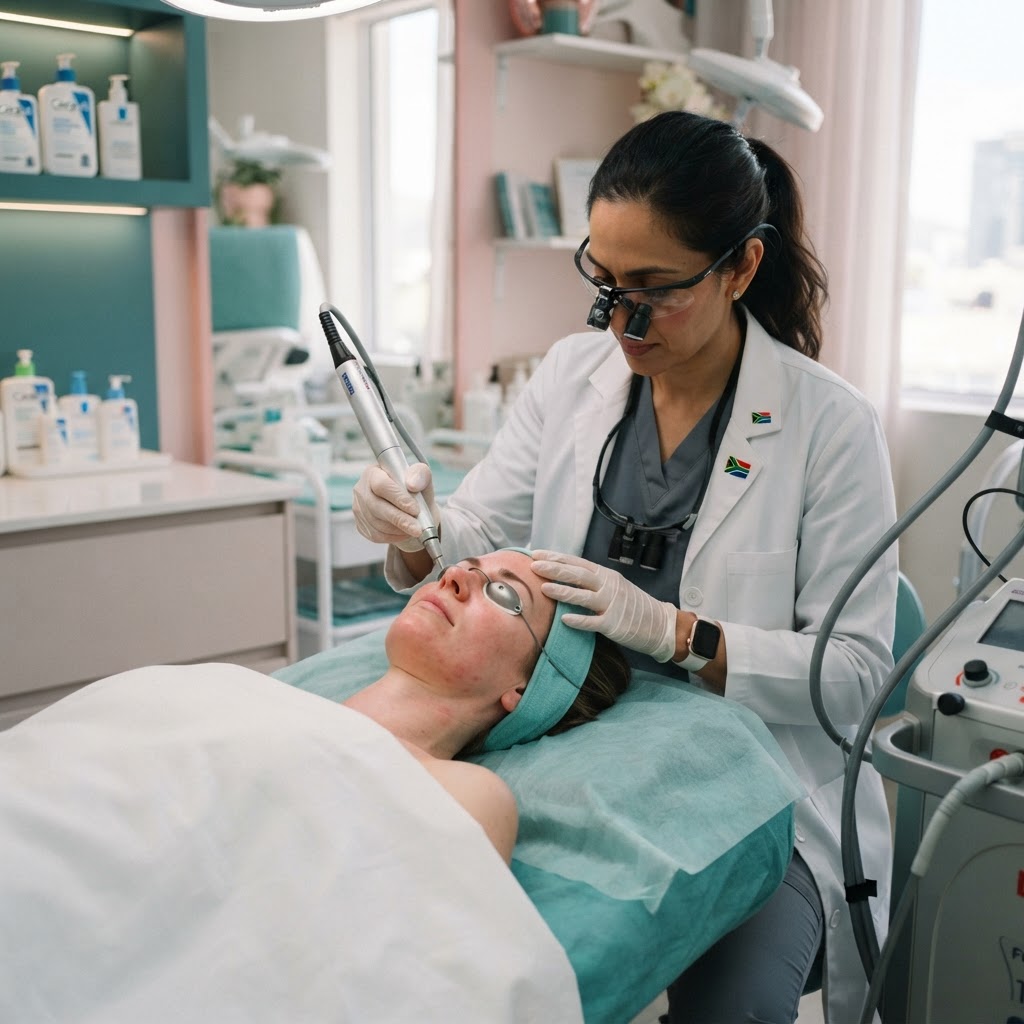
A professional treatment is one that reaches below the surface of the skin — using acids, needles, light, heat or injections — and therefore carries a medical risk profile. That is the whole distinction. A serum can irritate your skin; a medium-depth peel can scar it.

In South Africa, the practitioners legally entitled to perform these procedures vary by treatment. Injectable fillers and botulinum toxin are prescription-only and must be performed by a doctor, dentist or a registered nurse working under a prescribing doctor. Medium and deep peels, lasers and microneedling are best done by a dermatologist or an experienced medical practitioner. Superficial peels and some light-based treatments are offered by registered somatologists and therapists, but the deeper you go, the more a medical qualification matters.

The Treatments, Explained

Tap What to know on any treatment for practical guidance and the South African context.

Chemical Peels Resurfacing

An acid solution applied to the skin to lift dead cells and stimulate renewal. Superficial peels use AHAs or BHAs; medium and deep peels use stronger agents such as TCA and must be supervised.

Microneedling Collagen induction

Fine sterile needles create controlled micro-injuries that trigger collagen production. Used for scarring, texture, fine lines and enlarged pores. Often combined with serums or PRP.

Fractional Laser Resurfacing

Creates columns of controlled damage in the skin to stimulate remodelling. Non-ablative lasers are gentler with less downtime; ablative and CO2 lasers are more aggressive and more effective on scars and deep lines.

IPL & Laser Hair Removal Light-based

Light energy targets pigment in the hair follicle. IPL is a broad-spectrum light; laser is more precise. Both work best where there is contrast between hair and skin colour.

Radiofrequency & HIFU Skin tightening

Energy delivered into the deeper skin and fat layers to stimulate collagen and tighten tissue. Radiofrequency is gentler; HIFU (ultrasound) reaches deeper planes for lifting.

Injectables Medical procedure

Botulinum toxin relaxes specific muscles to soften dynamic lines; dermal fillers restore volume and contour. Both are prescription-only medical procedures in South Africa.

Skin Tone

Matching Treatment to Your Skin Tone

Most South Africans sit between Fitzpatrick types IV and VI. The higher your type, the narrower the safe options — and the more important the practitioner's experience becomes.

Types I–II

Broadest treatment options. Still needs daily SPF and careful post-procedure care.

Types III–IV

Most devices remain suitable, but settings must be conservative. Pigmentation risk rises sharply.

Types V–VI

Device choice narrows considerably. Nd:YAG lasers and superficial peels are safer; deep ablative resurfacing is high risk.

What It Costs in South Africa

Chemical peel

R800 – R2,500 per session

Microneedling

R1,500 – R3,500 per session

Fractional laser

R2,500 – R6,000 per session

Laser hair removal

R400 – R1,200 per session

RF / HIFU tightening

R3,000 – R8,000 per session

Botox

R2,000 – R4,500 per area

Dermal fillers

R3,000 – R6,000 per syringe

Prices are private-sector estimates for 2026 and vary widely by city, practitioner and device. Most treatments need a course rather than a single session, so budget for the full plan. Medical aids generally exclude cosmetic treatment, though some medical indications may be covered if your doctor motivates it.

Aftercare

Looking After the Result

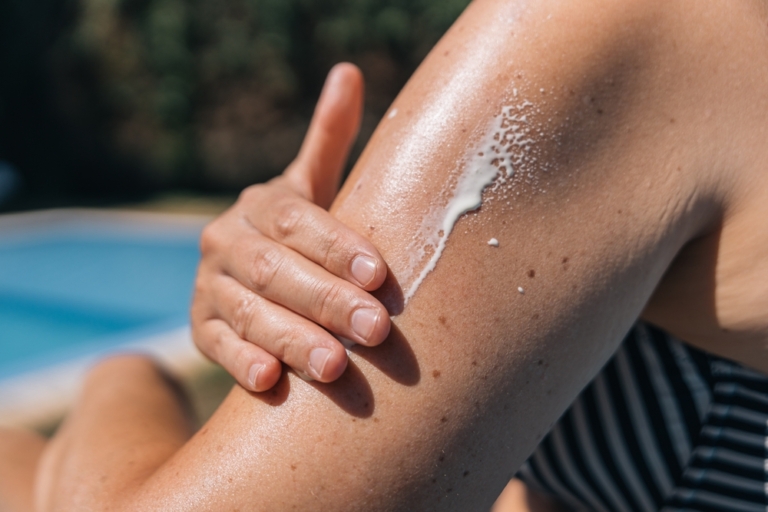
  • Sunscreen every morning, SPF 50, reapplied every two hours outdoors
  • No active ingredients — no acids, retinoids or vitamin C for the advised period
  • Keep the skin moisturised and use a gentle cleanser only
  • No saunas, steam rooms, hot yoga, swimming pools or intense exercise while healing
  • Do not pick or peel flaking skin — let it shed on its own
  • Contact your practitioner immediately if you develop blistering, severe pain or spreading redness

Red flags to walk away from

  • No assessment, no medical history, and treatment offered on the same day as the consultation
  • A promise of dramatic results after a single session
  • Pressure to buy a package or pay a deposit before you have asked any questions
  • Injectables offered by someone who is not a doctor, dentist or registered nurse
  • Deep peels, ablative lasers or IPL offered for deeper skin tones without any discussion of pigmentation risk
  • Any practitioner who cannot tell you which device they use, or who dismisses your questions about your skin tone

Articles on Skin Health

View all

Latest Beauty Mythbusters

View all

Professional Skincare Treatments in South Africa — A Complete Guide

Professional treatments are the one area of skincare that can genuinely change skin in ways no cream can. Chemical peels, microneedling, lasers and injectables work on structures deeper than the surface, which is why they can improve scarring, pigment, texture and laxity that topical products simply cannot reach. They are also the area where the most harm is done, and in South Africa that risk is higher than in most countries because the majority of patients have medium to deep skin tones.

Melanin-rich skin responds to injury by producing more pigment. Any treatment that wounds, burns or over-stimulates the skin can therefore leave post-inflammatory hyperpigmentation that lasts far longer than the original problem. Keloid scarring is also more common. This does not mean these treatments are off-limits for South Africans — quite the opposite. It means the device, the wavelength, the settings and the practitioner’s experience all matter enormously, and the correct choices are different from those made for fair skin.

Cost is another practical factor. Professional treatments in South Africa range from around R800 for a superficial peel to R6,000 or more for a single fractional laser session, and most require a course of several sessions rather than one. Medical aids generally exclude cosmetic treatment, although some medical indications such as severe acne scarring, removal of skin lesions or treatment of a diagnosed dermatological condition may be partially covered if your doctor motivates it. Public-sector dermatology services exist but have long waiting lists.

Whatever treatment you choose, the aftercare is as important as the procedure itself. Daily broad-spectrum SPF 50, avoiding active ingredients while the skin heals, keeping the skin moisturised and resisting the urge to pick flaking skin are what protect the result you paid for. In a country with one of the highest UV indices in the world, sun protection is not optional follow-up — it is the treatment.