Hormonal Health Menstrual & Mood Disorders
Cycle-Related Symptoms

Cycle-Related Symptoms.
What's Normal — and What Isn't.

Period pain, heavy bleeding, bloating, migraines and fatigue — understand the physical symptoms of your cycle and when they signal something that needs attention.

Severe period pain is not 'just normal'
Heavy bleeding can indicate pathology
Endometriosis is commonly missed for years
Cramps have identifiable, treatable causes
Menstrual migraines link to oestrogen drops
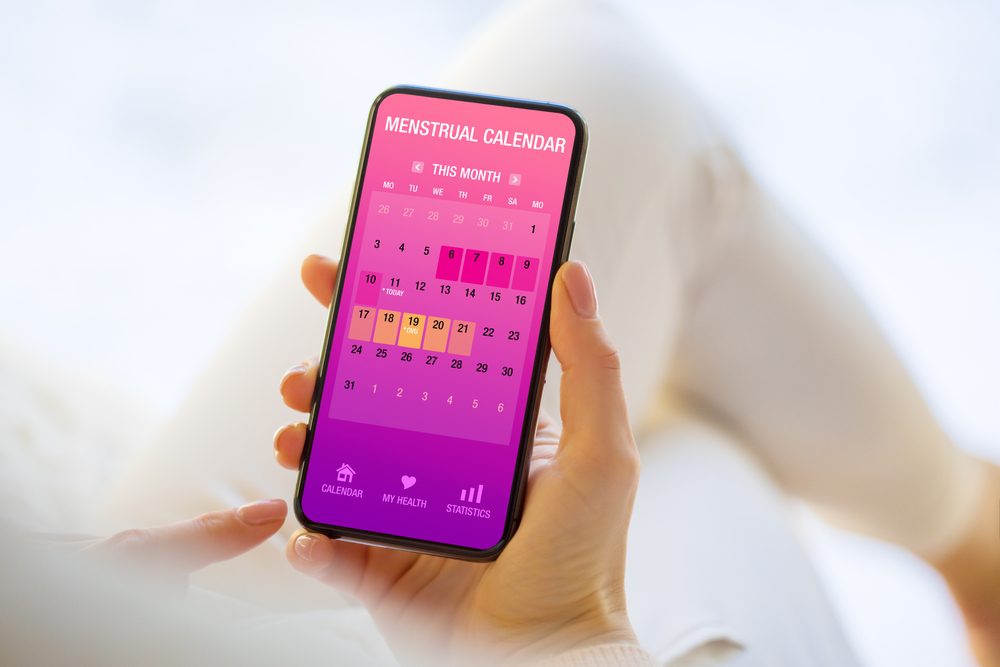
Cycle tracking is essential for diagnosis

Dysmenorrhoea is the most common gynaecological complaint worldwide. Understanding the difference between primary and secondary causes is critical — because secondary dysmenorrhoea signals an underlying condition that requires diagnosis and treatment.

Primary DysmenorrhoeaNo underlying condition

Caused by prostaglandins — hormone-like compounds that trigger uterine contractions to shed the lining. Typically begins within 1–2 years of the first period, peaks in the 20s and often improves after childbirth. Pain is cramping, in the lower abdomen, starting 1–2 days before or at the onset of menstruation.

NSAIDs (ibuprofen, naproxen) — take before pain starts, not after
Heat therapy — hot water bottle or heat pack on lower abdomen
COCP suppresses prostaglandin production effectively
Magnesium reduces prostaglandin synthesis
Regular aerobic exercise reduces severity long-term
Secondary DysmenorrhoeaUnderlying condition — investigate

Caused by an identifiable pelvic pathology. Pain typically worsens over time, starts earlier in the cycle, persists longer and may not respond well to standard NSAIDs. Key causes: endometriosis, adenomyosis, uterine fibroids, pelvic inflammatory disease, ovarian cysts, intrauterine device (IUD) placement.

Gynaecological assessment is essential — do not accept 'just take painkillers'
Ultrasound as first-line imaging
Laparoscopy for endometriosis diagnosis
Targeted hormonal or surgical treatment based on cause
Average endometriosis delay in SA: 7–10 years — advocate for early investigation
Red flag: Pain severe enough to miss work or school, pain that is worsening year on year, pain with intercourse or bowel movements around your period — these are NOT normal. They require gynaecological investigation, not just stronger painkillers.

Articles on Cycle Symptoms & Menstrual Health

View all

Latest Women's Health Mythbusters

View all

Cycle-Related Symptoms: When to Seek Help

One of the most damaging patterns in women’s healthcare is the normalisation of severe cycle-related symptoms. Women across South Africa are routinely told that debilitating period pain, very heavy bleeding, severe fatigue and significant bloating are simply “part of being a woman” — and this cultural acceptance of suffering leads to delayed diagnosis, inadequate treatment and years of preventable distress. The average diagnostic delay for endometriosis in South Africa is 7–10 years, during which time the condition causes progressive scarring, pain and potential fertility damage that early intervention could have prevented.

Period pain severe enough to limit daily activities, require prescription-strength pain medication, or that has worsened progressively over time is not normal — it is a symptom that warrants gynaecological investigation. Endometriosis, the most common cause of secondary dysmenorrhoea, affects an estimated 1 in 10 South African women and is vastly underdiagnosed. The condition causes progressive pelvic scarring and can significantly impair fertility if left untreated. Symptoms to watch for include deep dyspareunia (pain during intercourse), bowel symptoms tied to the menstrual cycle, and pain that begins well before the period rather than at onset.

Heavy menstrual bleeding is similarly undertreated. Menorrhagia is associated with iron deficiency in a significant proportion of affected women — yet many have never had their ferritin levels measured. A serum ferritin below 50 µg/L causes fatigue, brain fog and poor exercise tolerance even when haemoglobin is technically within the normal range. Women with heavy periods should always have iron studies — not just a full blood count — as part of their routine assessment.

Tracking your cycle symptoms for 2–3 months before your gynaecological consultation can be extremely valuable. Note the timing, severity and character of each symptom relative to your cycle days — this information helps distinguish between primary and secondary causes, identify patterns that point to specific diagnoses, and tailor investigation and treatment appropriately. HealthLab’s directory of HPCSA-registered gynaecologists can connect you with a practitioner who will take your symptoms seriously.