SA Workers: Back Pain — Injury or Posture Problem?
Desk worker, builder, or domestic worker? Learn to tell a true back injury from postural strain — and what SA clinics and physios can do for you.
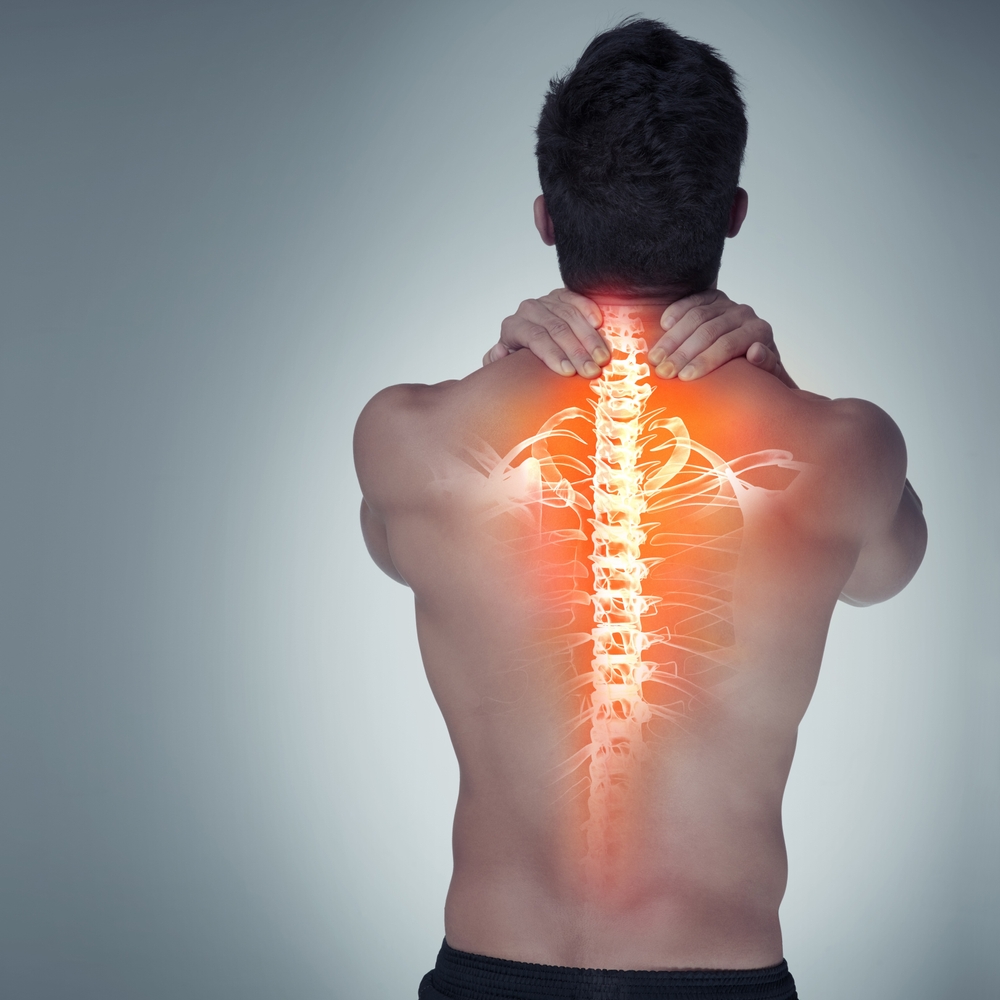
Back pain doesn’t care what you do for a living — it will find you at a desk in Sandton, on a building site in Durban, or scrubbing floors in a Cape Town suburb. The South African Medical Research Council (SAMRC) identifies musculoskeletal conditions as a leading driver of work absenteeism in SA, and back pain sits at the centre of that burden. Yet the most common mistake South Africans make isn’t ignoring it — it’s misreading it. Chasing an X-ray for something that needs movement, or “walking off” something that needs imaging, keeps people in pain far longer than necessary.
This guide is for three of SA’s most distinct working groups: desk workers, construction workers, and domestic workers. Your risk profile, your most likely diagnosis, and your realistic treatment options differ significantly depending on which group you’re in.
What’s the actual difference?
A musculoskeletal injury involves structural damage: a torn or strained muscle or ligament, a herniated disc pressing on a nerve, or a vertebral fracture. These usually have a clear onset — you lifted something wrong, you fell, or you felt a sudden sharp tear.
Postural strain is subtler. It develops over months or years as soft tissue, joints, and muscles adapt (badly) to positions you hold for hours at a time. There’s no single “injury moment.” Instead, you notice stiffness that’s worse in the morning, a dull ache that builds through the day, or tightness that eases once you move around. Research published in the South African Journal of Physiotherapy confirms that postural back pain typically improves with movement, while acute injuries are often aggravated by it.
The practical implication: most back pain in working South Africans — estimated at around 70–80% of cases internationally, with no contradicting local data from the SAMRC or Department of Health — is non-specific, meaning it has no serious structural cause and does not require imaging to treat.
Desk workers: the slow-burn problem
If you work in an office or from home, your back pain almost certainly comes from sustained posture rather than acute injury. Sitting compresses lumbar discs at roughly 40% more pressure than standing — meaning an eight-hour office day is a slow mechanical assault on your lower back.
Load-shedding adds a specific SA layer: millions of desk workers now work at kitchen tables and on couches during power cuts, on laptops propped at angles no ergonomist would approve of. The SAMRC’s occupational health division has flagged the rise in work-from-home musculoskeletal complaints since 2020.
What you’ll typically feel: stiffness between the shoulder blades, a nagging ache in the lower back that builds through the afternoon, and tension across the upper trapezius (the muscle running from your neck to your shoulders). This is postural strain. It responds to movement breaks every 30–45 minutes, strengthening your core and posterior chain, and adjusting your workstation height so your screen is at eye level and your feet are flat on the floor.
Construction workers: high-load, high-risk
Construction workers carry, lift, and twist under load — activities that put them at genuine risk of structural back injury. A South African occupational health study published in Occupational Health Southern Africa found that construction workers report back pain at rates significantly above the national average, with manual handling and awkward postures cited as the dominant causes.
For this group, acute disc herniation is a realistic concern. A herniated lumbar disc occurs when the gel-like centre of a spinal disc pushes through its outer ring and presses on a nearby nerve root. You’ll feel this not just as back pain but as radiating leg pain — often described as burning, shooting, or electric — that follows a specific path down one leg. If leg pain is worse than back pain, that’s a meaningful clinical signal.
Construction workers in SA also carry a higher burden of HIV and tuberculosis. Both conditions can cause back pain through mechanisms entirely unrelated to posture — spinal TB (Pott’s disease) causes persistent midback pain, fever, and night sweats, and must be ruled out by a clinician, particularly in anyone with a known TB history or who is HIV-positive.
Domestic workers: the underserved group
Domestic workers represent one of SA’s most physically demanding and least protected occupational groups. Prolonged bending (mopping, scrubbing, making beds at low heights), carrying heavy laundry, and sustained awkward positions create a pattern of both postural strain and cumulative load injury.
Many domestic workers lack access to occupational health services through their employers and may not have medical aid. Their back pain often goes unmanaged until it becomes disabling — partly because clinic visits mean lost wages, and partly because there’s a widespread belief that pain is just “part of the job.”
Research from the University of the Witwatersrand’s school of public health has documented significant musculoskeletal burden in SA’s informal and domestic workforce, noting that early physiotherapy referral dramatically reduces the likelihood of pain becoming chronic (persisting beyond 12 weeks).
Red-flag symptoms that need imaging now
Most back pain does not need an X-ray or MRI. Imaging findings — bulging discs, minor degenerative changes — are so common in pain-free adults over 40 that they frequently mislead clinicians and patients alike into unnecessary treatment.
However, some symptoms indicate serious pathology and require urgent investigation:
- Leg pain, numbness, or weakness below the knee, especially if it follows a clear nerve-root pattern down one or both legs
- Loss of bladder or bowel control, or numbness in the groin or inner thighs (cauda equina syndrome — a surgical emergency)
- Fever with back pain, unexplained weight loss, or drenching night sweats (possible infection or malignancy, including spinal TB)
- Back pain after a significant fall or trauma, particularly in older adults or people on long-term corticosteroids
- Pain that is constant, worsening at night, and not relieved by any position — this pattern is atypical of mechanical back pain
If you have any of these, go to a clinic or emergency department. Don’t wait for a next-day appointment.
When to see a doctor or physiotherapist
See a healthcare provider if: your pain has lasted more than six weeks without improvement; you have any red-flag symptoms listed above; your pain is affecting sleep every night; or you are pregnant, have HIV, TB, diabetes, or osteoporosis, as these conditions alter the diagnostic picture. In SA, your first port of call is your nearest community health centre (CHC) or district clinic. You do not need a referral letter to present at a public clinic for back pain.
What actually works: movement over machines
For non-specific back pain — which, again, is the majority of cases — the evidence is clear. Remaining active reduces pain duration and prevents chronicity more effectively than bed rest, which is now considered harmful if sustained beyond one to two days. A 2022 Cochrane review confirmed that exercise therapy reduces pain intensity by a clinically meaningful margin (roughly 10–20 points on a 100-point pain scale) compared with no treatment.
Specific approaches with good evidence:
- Strengthening exercises targeting the deep stabilisers (multifidus, transversus abdominis) reduce recurrence in people with chronic low back pain
- McKenzie exercises — a physiotherapy-directed method of repeated movements — are effective for centralising nerve-related leg pain
- Yoga and Pilates produce comparable outcomes to physiotherapy in people with mild to moderate chronic back pain; classes in SA typically cost R80–R200 per session
For construction and domestic workers who cannot afford classes, the Department of Health’s Back Care guidelines (available at public clinics) include basic exercise handouts at no cost.
Getting help: public clinic vs private physio in SA
Public sector pathway: Present at your nearest CHC or district clinic. A professional nurse or doctor will assess you, apply red-flag screening, and refer you to physiotherapy at the district hospital if indicated. Waiting times vary: urban CHCs in Gauteng and the Western Cape may see you within days; rural clinics may have weeks-long waits for physio. This route is free for patients with a valid clinic card.
Private physiotherapy: A first consultation with a registered physiotherapist typically costs R700–R1,200 in major urban centres. Ongoing sessions run R500–R900 each. Most private medical aids cover physiotherapy under their chronic or general benefits; back pain does not currently qualify as a Prescribed Minimum Benefit (PMB) condition unless it involves a neurological emergency such as cauda equina syndrome. This means your medical aid may limit sessions — check your plan’s physiotherapy benefit before booking.
Practical barrier: Load-shedding disrupts online appointment booking, and transport costs make multiple physio visits genuinely unaffordable for many workers. If you cannot access a physiotherapist, ask your clinic for the written exercise protocol — several SA physiotherapy schools, including those at the University of Cape Town and the University of Pretoria, publish free patient exercise guides online.
Bottom line
- Distinguish the pain: sudden onset after a specific event suggests injury; gradual, movement-relieved stiffness suggests postural strain.
- Act on red flags immediately: leg weakness, bladder changes, fever, or night sweats need same-day assessment at a clinic.
- Move, don’t rest: for non-specific back pain, staying active shortens recovery — bed rest beyond 48 hours makes things worse.
- Start at your CHC: public clinic physiotherapy referral is free and does not require you to see a private GP first.
- Know your medical aid limits: physiotherapy is not a PMB for standard back pain; confirm how many sessions your plan covers before you start private treatment.
Medical Disclaimer: This article is for informational purposes only and does not constitute medical advice. Always consult a qualified, HPCSA-registered healthcare professional for diagnosis and personalised treatment.
Connect with HPCSA-registered gynaecologists and endocrinologists who specialise in hormonal health.
Browse Professionals
