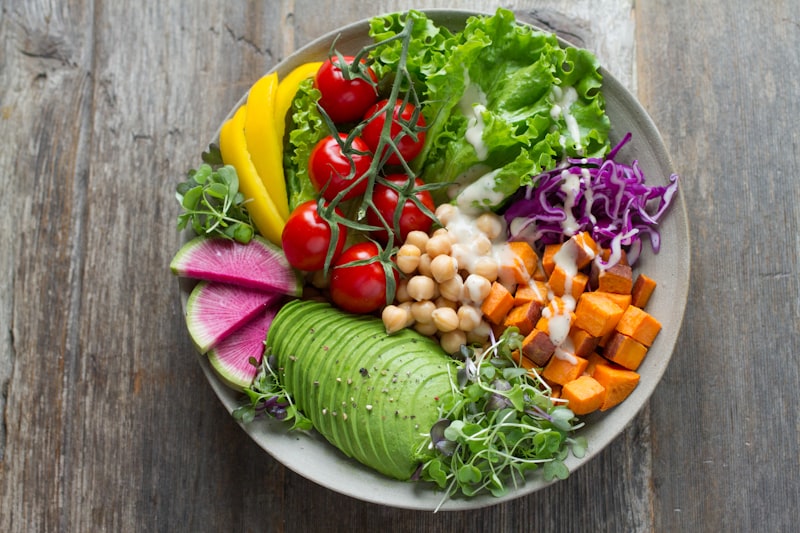
Low-FODMAP, elimination diets, microbiome nutrition and digestive health strategies — understand the evidence, protocols and practical application, all contextualised for South African foods and reviewed by registered dietitians.
Evidence-based content with peer-reviewed sources cited in each section.
4 Approaches
FODMAP, elimination, gut health, digestive nutrition
Click any section below to expand the full content, including protocols, evidence and cited sources.
The human gut is home to trillions of microorganisms — collectively the gut microbiome — which influence digestion, immunity, metabolism and even mental health. When this ecosystem is disrupted (dysbiosis) or when certain foods trigger inflammation or malabsorption, the result can be irritable bowel syndrome (IBS), bloating, diarrhoea, constipation, fatigue and systemic inflammation. Elimination diets and gut-targeted nutrition strategies are the primary evidence-based tools for identifying and managing these triggers.
An elimination diet involves removing suspected trigger foods for a period (typically 2-6 weeks) and then systematically reintroducing them one at a time while monitoring symptoms. The low-FODMAP diet — developed by Monash University — is the most rigorously studied elimination protocol for IBS, with multiple randomised controlled trials demonstrating symptom improvement in 50-80% of patients.
Why gut health matters
• 70% of the immune system resides in the gut
• The microbiome produces vitamins (K, B12, folate)
• Gut bacteria produce short-chain fatty acids (SCFAs)
• The gut-brain axis links digestion to mood and cognition
• Dysbiosis linked to IBS, IBD, obesity, allergies
Spectrum of gut-targeted diets
• Low-FODMAP: for IBS and carbohydrate malabsorption
• Elimination diet: for identifying food sensitivities
• Anti-inflammatory: for systemic inflammation
• Microbiome diet: high-fibre, diverse plant foods
• Specific Carbohydrate Diet (SCD): for IBD (emerging)
A key principle
Elimination diets are diagnostic tools, not permanent diets. The goal is to identify triggers during the elimination phase, then build a personalised, maximally diverse long-term diet that avoids only the confirmed triggers. Prolonged unnecessary restriction can harm the microbiome by reducing food diversity.
1Gibson PR, Shepherd SJ. Evidence-based dietary management of the functional gastrointestinal symptoms: the FODMAP approach. J Gastroenterol Hepatol. 2010;25(2):252-258.
2Sender R, Fuchs S, Milo R. Revised estimates for the number of human and bacteria cells in the body. PLoS Biol. 2016;14(8):e1002533.
3Sonnenburg JL, Sonnenburg ED. The Good Gut. Penguin; 2015.
The low-FODMAP diet was developed by researchers at Monash University in Melbourne, led by Professor Peter Gibson and Dr Sue Shepherd. FODMAPs are a group of short-chain carbohydrates that are poorly absorbed in the small intestine and fermented by gut bacteria, producing gas and drawing water into the bowel. In people with IBS, this triggers bloating, pain, gas and altered bowel habits. Restricting FODMAPs has the strongest evidence base of any dietary intervention for IBS.
What Does FODMAP Stand For?
FFermentable — broken down by gut bacteria
OOligosaccharides — fructans and galacto-oligosaccharides (GOS)
DDisaccharides — lactose
MMonosaccharides — excess fructose
PPolyols — sorbitol, mannitol, xylitol
The Three-Phase Protocol
Phase 1: Elimination (2-6 weeks)
Remove all high-FODMAP foods. This is not a permanent diet — it is a diagnostic phase to determine if FODMAPs are driving your symptoms. Symptom improvement in this phase suggests FODMAP sensitivity.
Phase 2: Reintroduction (6-8 weeks)
Systematically reintroduce each FODMAP subgroup (fructans, GOS, lactose, excess fructose, sorbitol, mannitol) one at a time at increasing doses, while monitoring symptoms. This identifies which specific FODMAPs and at what doses trigger your symptoms.
Phase 3: Personalisation (lifelong)
Maintain a personalised diet that restricts only your confirmed triggers at your tolerance thresholds. The goal is maximum dietary diversity — avoiding only what is necessary. This phase should ideally be guided by a FODMAP-trained dietitian.
Polyols — stone fruits, mushrooms, cauliflower, sugar-free gum
What the evidence shows
A landmark 2014 randomised controlled trial by Halmos et al. (Gastroenterology) found that 75% of IBS patients on the low-FODMAP diet reported adequate symptom relief, compared to 42% on a standard diet. Multiple subsequent RCTs and meta-analyses have confirmed efficacy for bloating, pain, gas and bowel habit improvement.
1Halmos EP, Power VA, Shepherd SJ, Gibson PR, Muir JG. A diet low in FODMAPs reduces symptoms of irritable bowel syndrome. Gastroenterology. 2014;146(1):67-75.e5.
2Gibson PR, Shepherd SJ. Evidence-based dietary management of the functional gastrointestinal symptoms: the FODMAP approach. J Gastroenterol Hepatol. 2010;25(2):252-258.
3Marsh A, Eslick EM, Eslick GD. Does a diet low in FODMAPs reduce symptoms associated with functional gastrointestinal disorders? A comprehensive systematic review and meta-analysis. Eur J Nutr. 2016;55(3):897-906.
4Monash University. Low FODMAP Diet. Monash FODMAP App and Research Team; 2021.
An elimination diet is a broader diagnostic protocol for identifying food sensitivities that may not involve FODMAPs — including reactions to gluten, dairy, soy, eggs, nightshades, food additives, histamine and salicylates. The principle is the same: remove suspected triggers, allow the gut and immune system to settle, then reintroduce one at a time while monitoring for reactions. Elimination diets are considered the gold standard for diagnosing non-IgE-mediated food sensitivities, which standard allergy tests often cannot detect.
Common Elimination Protocols
Six-food elimination diet: Removes the six most common allergens — milk, soy, eggs, wheat, peanuts/tree nuts, fish/shellfish. Used in eosinophilic oesophagitis (EoE) and severe food sensitivity workups. Kagalwalla et al. (2012) demonstrated remission in 74% of EoE patients.
Few-foods diet: Restricts to a small number of hypoallergenic foods (typically lamb, rice, pears, specific vegetables) for 1-2 weeks, then reintroduces. Used in severe, unexplained symptoms.
Histamine elimination: For suspected histamine intolerance — removes fermented foods, aged cheeses, cured meats, alcohol, and certain fish. Comas-Basté et al. (2020) reviewed the evidence.
Salicylate elimination: For suspected salicylate sensitivity — removes spices, certain fruits and vegetables, tea. Evidence is limited but clinically used.
How Reintroduction Works
After the elimination period, foods are reintroduced one at a time, typically over 3 days per food (day 1: small portion, day 2: larger portion, day 3: normal portion). If no symptoms appear, the food is considered tolerated and the next food is tested. If symptoms appear, the food is a confirmed trigger and is stopped before testing the next. A symptom diary is essential throughout.
Elimination diets need professional guidance
Poorly executed elimination diets can lead to unnecessary food fear, nutritional deficiencies, and disordered eating patterns. They should ideally be conducted with a registered dietitian who can ensure nutritional adequacy, guide reintroduction correctly, and prevent over-restriction. Never undertake a prolonged elimination diet without professional support.
1Kagalwalla AF, Sentongo TA, Ritz S, et al. Effect of six-food elimination diet on clinical and histologic outcomes in eosinophilic esophagitis. Clin Gastroenterol Hepatol. 2012;10(7):765-770.
2Drisko J, Bischoff B, Hall M, McAllister N. Treating irritable bowel syndrome with a food elimination diet followed by food challenge and probiotics. J Am Coll Nutr. 2006;25(6):514-522.
3Comas-Basté O, Sánchez-Pérez S, Veciana-Nogués MT, Latorre-Moratalla ML, Vidal-Carou MC. Histamine intolerance: the current state of the art. Biomolecules. 2020;10(8):1181.
Beyond elimination, a growing field of research focuses on actively nourishing the gut microbiome through dietary patterns that promote microbial diversity and the production of beneficial short-chain fatty acids (SCFAs) — particularly butyrate, which fuels the cells lining the colon and reduces inflammation. The evidence consistently shows that dietary diversity (especially plant diversity), adequate fibre, and regular consumption of fermented foods are the strongest predictors of a healthy, resilient microbiome.
Core Principles of Microbiome-Nourishing Diets
1. Plant diversity: The American Gut Project (McDonald et al. 2018) found that people eating 30+ different plant types per week had significantly more diverse gut microbiomes than those eating fewer than 10. Diversity matters more than quantity.
2. Fibre intake: Fibre is the primary fuel for beneficial bacteria. A 2019 Lancet meta-analysis (Reynolds et al.) of 185 prospective studies found that highest fibre intake (25-29g/day or more) was associated with 15-30% reductions in all-cause mortality, CVD, T2D and colorectal cancer.
3. Prebiotic foods: Specific fibres that selectively feed beneficial bacteria — inulin (chicory, onion, garlic), resistant starch (cooled rice/potato, green bananas), beta-glucan (oats), GOS and fructo-oligosaccharides.
4. Fermented foods: A landmark 2021 Stanford study (Wastyk et al., Cell) found that a 10-week high-fermented-foods diet (yoghurt, kefir, kimchi, sauerkraut, kombucha) increased microbiome diversity and reduced 19 inflammatory markers.
5. Polyphenols: Antioxidant compounds in berries, dark chocolate, tea, coffee and olive oil that are metabolised by gut bacteria into anti-inflammatory compounds.
The 30-plant goal
Aim for 30 different plant species per week — including vegetables, fruits, whole grains, legumes, nuts, seeds, herbs and spices. This single target is the most evidence-supported practical goal for improving microbiome diversity. Start where you are and increase gradually.
1McDonald D, Hyde E, Debelius JW, et al. American Gut: an open platform for citizen science microbiome research. mSystems. 2018;3(3):e00031-18.
2Reynolds A, Mann J, Cummings J, et al. Carbohydrate quality and human health: a series of systematic reviews and meta-analyses. Lancet. 2019;393(10170):434-445.
3Wastyk HC, Fragiadakis GK, Perelman D, et al. Gut-microbiota-targeted diets modulate human immune status. Cell. 2021;184(17):4135-4148.e12.
4Hill C, Guarner F, Reid G, et al. Expert consensus document: The International Scientific Association for Probiotics and Prebiotics consensus statement. Nat Rev Gastroenterol Hepatol. 2014;11(8):506-514.
Digestive health nutrition encompasses the practical, day-to-day dietary strategies that support optimal gut function — from how and when you eat, to the specific nutrients that maintain the gut barrier, support motility, and reduce inflammation. These strategies complement (and often reduce the need for) more restrictive approaches like FODMAP or elimination diets.
Key Strategies
Fibre: The Foundation
SA guidelines recommend 25-30g fibre/day. Most South Africans consume under 15g. Increase gradually to avoid bloating. Sources: whole grains (oats, brown rice), legumes (beans, lentils), vegetables, fruits with skin, nuts, seeds. Soluble fibre (oats, psyllium) forms a gel that softens stool; insoluble fibre (wheat bran, vegetables) adds bulk and speeds transit.
Probiotics and Prebiotics
Probiotics: live beneficial bacteria in fermented foods (yoghurt with live cultures, kefir, sauerkraut, kimchi) or supplements. Evidence is condition-specific — best supported for antibiotic-associated diarrhoea, IBS, and certain infections. Prebiotics: fibres that feed beneficial bacteria (inulin, resistant starch, GOS). Synbiotics combine both.
Hydration and Motility
Adequate water (1.5-2L/day) is essential for fibre to work properly — without water, extra fibre worsens constipation. Warm fluids (particularly morning coffee or tea) stimulate the gastrocolic reflex and promote regular bowel movements.
Meal Timing and Chewing
Eating at regular times supports the gut circadian rhythm. Thorough chewing (20-30 chews per bite) begins carbohydrate digestion with salivary amylase and reduces the digestive burden lower in the tract. Eating too quickly is a common contributor to bloating and reflux.
Anti-Inflammatory Pattern
A Mediterranean-style pattern — rich in olive oil, fish, vegetables, fruits, legumes and whole grains, and low in processed foods, red meat and added sugar — is associated with lower rates of IBD, IBS and colorectal cancer. This pattern simultaneously nourishes the microbiome and reduces systemic inflammation.
The gut-barrier connection
A healthy gut barrier prevents endotoxins (like lipopolysaccharide) from leaking into the bloodstream — a process called leaky gut. High-fibre diets, adequate vitamin D, omega-3 fats and polyphenol-rich foods strengthen tight junctions. Processed foods, alcohol and chronic stress compromise the barrier.
1Reynolds A, Mann J, Cummings J, et al. Carbohydrate quality and human health. Lancet. 2019;393(10170):434-445.
2Hill C, Guarner F, Reid G, et al. Expert consensus document on probiotics. Nat Rev Gastroenterol Hepatol. 2014;11(8):506-514.
3Mitsou EK, Kakali A, Antonopoulou S, et al. Adherence to the Mediterranean diet is associated with the gut microbiota pattern. Gut Microbes. 2017;8(4):303-311.
4Bischoff SC, Barbara G, Buurman W, et al. Intestinal permeability — a new target for disease prevention and therapy. BMC Gastroenterol. 2014;14:189.
The low-FODMAP diet has the strongest evidence. The Halmos et al. (2014) RCT showed 75% adequate relief vs 42% control. A 2016 meta-analysis by Marsh et al. confirmed significant improvements in bloating, pain, flatulence and diarrhoea. However, long-term strict FODMAP restriction is not recommended — the personalised phase is essential.
Inflammatory Bowel Disease (IBD)
Crohn’s disease and ulcerative colitis have less dietary evidence than IBS, but emerging data supports specific approaches. The Specific Carbohydrate Diet (SCD) and CD-TREAT show promise in small studies. The Mediterranean diet pattern is associated with lower IBD risk and better outcomes. Fibre may help in remission but can worsen symptoms during flares.
Microbiome Diversity
The American Gut Project and Stanford fermented-foods study (Wastyk et al. 2021) provide the strongest evidence that dietary diversity and fermented foods increase microbiome diversity — a key marker of gut health. Reduced diversity is associated with obesity, allergies, autoimmune disease and IBD.
Systemic Inflammation and Chronic Disease
The Reynolds et al. (2019) Lancet meta-analysis linked high fibre intake to 15-30% reductions in all-cause and CVD mortality, T2D and colorectal cancer. Fermented foods reduced 19 inflammatory markers in the Wastyk et al. study. The gut is increasingly recognised as a gateway to systemic health.
1Halmos EP, Power VA, Shepherd SJ, Gibson PR, Muir JG. A diet low in FODMAPs reduces symptoms of IBS. Gastroenterology. 2014;146(1):67-75.e5.
2Marsh A, Eslick EM, Eslick GD. Does a diet low in FODMAPs reduce symptoms of IBS? Eur J Nutr. 2016;55(3):897-906.
3Reynolds A, Mann J, Cummings J, et al. Carbohydrate quality and human health. Lancet. 2019;393(10170):434-445.
4Suskind DL, Wahbeh G, Cohen SA, et al. Clinical and histologic remission with SCD in pediatric Crohn disease. J Pediatr Gastroenterol Nutr. 2014;59(3):e5.
South African food culture offers excellent gut-health resources — from traditional fermented foods to affordable fibre sources. Amasi (fermented milk), mageu (fermented maize drink) and traditional beer (umqombothi) are all fermented products with deep cultural roots. Local plant diversity is rich: morogo (wild leafy greens), sweet potatoes, butternut, mealies, beans and lentils are all microbiome-friendly staples.
SA Gut-Health Friendly Foods
Amasi — traditional fermented milk, probiotic-rich
Morogo — wild spinach, rich in fibre and polyphenols
Dried beans and lentils — affordable prebiotic fibre
Sweet potato and butternut — soluble fibre
Maize meal (pap) — resistant starch when cooled
Marula fruit — seasonal, vitamin C and polyphenols
Rooibos tea — polyphenol-rich, caffeine-free
A note on FODMAPs and SA staples
Some SA staples are high-FODMAP (onions, garlic, wheat-based bread, certain legumes in large amounts). For IBS sufferers, a FODMAP-trained dietitian can help adapt local recipes — for example, using garlic-infused oil (flavour without FODMAPs), swapping wheat pap for rice or gluten-free options, and choosing canned lentils (lower FODMAP) rinsed well.
1Vorster HH, Badham JB, Venter CS. An introduction to the revised South African food-based dietary guidelines. S Afr J Clin Nutr. 2013;26(3):S1-S164.
2Faber M, Wenhold FAM. Nutrition in South Africa: focus on fruit and vegetable consumption. S Afr J Clin Nutr. 2013.
Over-Restriction Risk
The most significant risk of elimination and low-FODMAP diets is unnecessary long-term restriction. Staying in the elimination phase beyond 6 weeks without reintroduction reduces microbiome diversity (Deane et al. 2019), can cause nutritional deficiencies, and creates food anxiety. The personalisation phase — reintroducing as many foods as tolerated — is critical and often skipped without dietitian guidance.
Red Flag Symptoms
Before starting any gut-focused diet, rule out serious conditions. See a doctor immediately if you experience: unexplained weight loss, blood in stool, persistent diarrhoea, severe abdominal pain, fever, nocturnal symptoms, or family history of bowel cancer or IBD. These require medical investigation, not dietary self-management.
IBD vs IBS
Irritable Bowel Syndrome (IBS) is functional — no visible gut damage. Inflammatory Bowel Disease (IBD — Crohn’s, ulcerative colitis) involves inflammation and tissue damage. FODMAP and elimination diets are primarily evidence-based for IBS. In IBD, dietary approaches differ and must be medically supervised — especially during flares, where fibre restriction may be necessary.
Disordered Eating Risk
Restrictive elimination diets can trigger or worsen disordered eating patterns, including orthorexia (unhealthy obsession with healthy eating). Those with a history of eating disorders should not undertake elimination diets without psychological and nutritional support.
When to see a professional
If you have persistent gut symptoms, a diagnosis of IBS or IBD, unexplained reactions to foods, or are considering an elimination or low-FODMAP diet — consult a gastroenterologist and a FODMAP-trained, HPCSA-registered dietitian. Proper diagnosis prevents treating the wrong condition, and professional guidance ensures safe, effective, and non-over-restrictive dietary management.
1Deane AM, Pang C, Lee A, et al. FODMAP and the gut microbiota. J Gastroenterol Hepatol. 2019;34(7):1093-1101.
2McFarlane C, O'Donoghue J, Davoren M, et al. Orthorexia nervosa and restrictive diets: a systematic review. Eat Weight Disord. 2020;25(5):1141-1151.
3Staudacher HM, Whelan K. The low FODMAP diet: recent advances in understanding its mechanisms and efficacy in IBS. Gut. 2017;66(8):1517-1527.
Whether you're managing IBS, undertaking a low-FODMAP protocol or investigating food sensitivities — connect with HPCSA-registered professionals across South Africa who can diagnose, guide and monitor your gut health journey.
Gut health has emerged as one of the most exciting frontiers in nutrition science — with the gut microbiome now linked to digestion, immunity, metabolism, mental health and chronic disease risk. HealthLab’s Elimination and Gut Health Diets guide brings together the strongest evidence — from the Monash University low-FODMAP protocol for IBS to the American Gut Project’s findings on plant diversity and the Stanford fermented-foods study on inflammation. Whether you’re navigating irritable bowel syndrome, investigating food sensitivities through an elimination diet, or simply wanting to nourish your microbiome with South African fermented foods like amasi and mageu, our evidence-based content — reviewed by HPCSA-registered dietitians — provides the honest, balanced and locally relevant guidance you need.