Plant-Based Diets: The Complete Evidence-Based Guide
Vegetarian, vegan, pescatarian and flexitarian — understand the evidence, nutritional considerations and health benefits of each, all contextualised for South African foods and reviewed by registered dietitians.
Evidence-based content with peer-reviewed sources cited in each section.
Click any section below to expand the full content, including nutritional breakdowns, health evidence and cited sources.
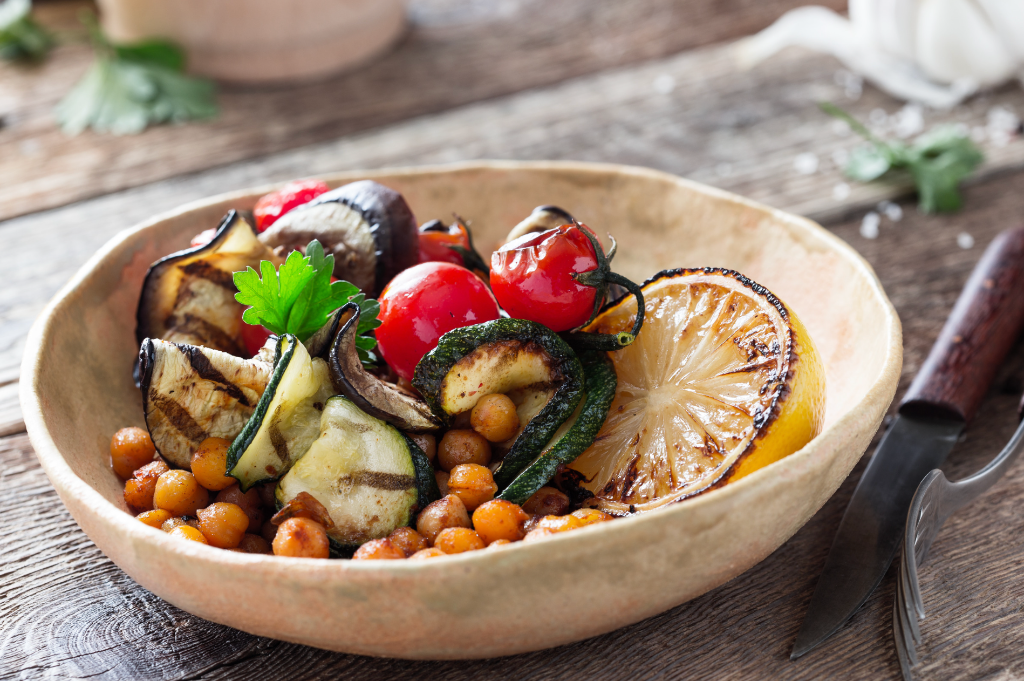
A plant-based diet emphasises foods derived from plants — vegetables, fruits, whole grains, legumes, nuts and seeds — while reducing or eliminating animal products. Importantly, “plant-based” is a spectrum rather than a single rigid diet. It ranges from fully vegan (no animal products at all) to flexitarian (predominantly plant foods with occasional meat).
The 2019 EAT-Lancet Commission — a landmark report by 37 leading scientists from 16 countries — concluded that a planetary health diet that is largely plant-based is not only optimal for human health but also essential for environmental sustainability. The commission found that shifting toward plant-based eating could prevent approximately 11 million deaths per year globally and feed 10 billion people within planetary boundaries.
Why people choose plant-based
• Cardiovascular disease prevention
• Blood sugar and diabetes management
• Weight management and metabolic health
• Environmental and ethical reasons
• Reduced cancer risk (particularly colorectal)
South Africa context
• SA Food-Based Dietary Guidelines encourage legumes
• “Eat dry beans, split peas, lentils and soya regularly”
• Traditional dishes already plant-forward (umngqusho, morogo)
• Growing availability of plant-based products in SA
A key distinction
Plant-based does not automatically mean healthy. A diet of chips, white bread and fizzy drinks is technically "plant-based" but nutritionally poor. What matters is the quality and variety of plant foods consumed.
1Willett W, Rockström J, Loken B, et al. Food in the Anthropocene: the EAT-Lancet Commission on healthy diets from sustainable food systems. Lancet. 2019;393(10170):447-492.
2Vorster HH, Badham JB, Venter CS. An introduction to the revised South African food-based dietary guidelines. S Afr J Clin Nutr. 2013;26(3):S1-S164.
The vegetarian diet excludes meat, poultry and fish but includes plant foods along with dairy and/or eggs. It is the most widely studied plant-based eating pattern, with decades of research — particularly from the Adventist Health Studies and the EPIC-Oxford cohort — demonstrating significant health benefits when appropriately planned.
Types of Vegetarian Diets
Lacto-ovoExcludes meat, poultry, fish. Includes dairy and eggs. The most common form.
Lacto-veget.Excludes meat, poultry, fish and eggs. Includes dairy products.
Ovo-veget.Excludes meat, poultry, fish and dairy. Includes eggs.
Nutritional Considerations
Protein: Adequate through variety — legumes, grains, dairy, eggs, nuts and soy. The concept of “protein combining” at every meal is outdated; eating a variety of protein sources throughout the day provides all essential amino acids.
Iron: Plant (non-heme) iron is less well absorbed than heme iron from meat. Pair iron-rich foods (spinach, lentils, fortified cereals) with vitamin C sources (citrus, tomatoes, bell peppers) to boost absorption by 2-3×. Avoid tea and coffee with meals — tannins inhibit absorption.
Zinc: Found in legumes, nuts, seeds and dairy. Phytates in whole grains can reduce absorption — soaking, sprouting and fermenting help.
Vitamin B12: Present in dairy and eggs, but intake should be monitored, especially if intake is low. A supplement may be advisable for some.
What the evidence shows
The Academy of Nutrition and Dietetics (2016) states that appropriately planned vegetarian diets are healthful, nutritionally adequate, and may provide health benefits for the prevention and treatment of certain diseases. The Adventist Health Study-2 found vegetarians had lower BMI, lower risk of type 2 diabetes, and lower cardiovascular mortality compared to non-vegetarians.
1Melina V, Craig WJ, Levin S. Position of the Academy of Nutrition and Dietetics: Vegetarian Diets. J Acad Nutr Diet. 2016;116(12):1970-1980.
2Appleby PN, Key TJ. The long-term health of vegetarians and vegans. Proc Nutr Soc. 2016;75(3):287-291.
3Le LT, Sabaté J. Beyond meatless, the health effects of vegan diets: findings from the Adventist cohorts. Nutrients. 2014;6(6):2131-2147.
The vegan diet excludes all animal products — meat, poultry, fish, dairy, eggs, and usually honey. While well-planned vegan diets are associated with the lowest rates of obesity, cardiovascular disease, hypertension and type 2 diabetes, they also carry the highest risk of certain nutrient deficiencies if not carefully managed. The Academy of Nutrition and Dietetics confirms that vegan diets are appropriate for all stages of life, but only when appropriately planned.
Critical Nutrients to Monitor
⚠ Vitamin B12 — Essential Supplement
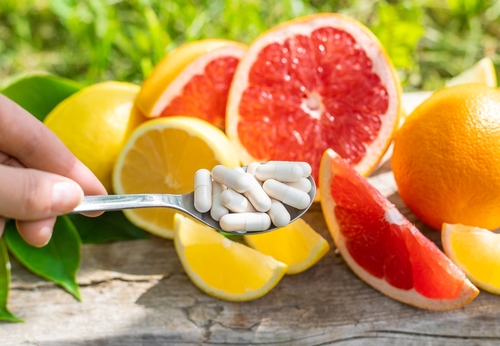
Vitamin B12 is produced by bacteria and is not found in any plant foods. Deficiency causes megaloblastic anaemia, irreversible neurological damage, and elevated homocysteine (a CVD risk factor). Symptoms can take years to appear because the liver stores B12, but damage can be permanent. All vegans must take a B12 supplement or consume B12-fortified foods (nutritional yeast, fortified plant milks) daily. Typical dose: 250-500 µg/day or 1,000 µg 2-3× per week.
Iron
Non-heme iron from plants is absorbed at 5-12% vs 15-35% from heme iron. Enhance absorption with vitamin C. Avoid tea/coffee 1 hour before and after meals.
Calcium
Fortified plant milks (check for 300mg per serving), tofu set with calcium, leafy greens (collards, kale — but not spinach due to oxalate), tahini.
Omega-3 (EPA/DHA)
Plant sources (flaxseed, chia, walnuts, hemp) provide ALA, which converts to EPA/DHA at under 5-10% efficiency. An algae-based DHA/EPA supplement (200-300mg/day) is recommended.
Zinc, Vitamin D, Iodine
Zinc: legumes, nuts, seeds (soak/sprout for bioavailability). Vitamin D: fortified foods, supplements, sensible sun exposure (SA has good UV but winter regions still need attention). Iodine: iodised salt or moderate sea vegetables.
B12 deficiency is serious and silent
Unlike other nutrient shortfalls, B12 deficiency can cause irreversible nerve damage before symptoms become obvious. Do not rely on "feeling fine" as proof of adequacy — have your B12 levels checked annually if you are vegan, and supplement proactively.
1Schüpbach R, Wegmüller R, Berguerand C, Bui M, Herter-Aeberli I. Micronutrient status and intake in vegans and vegetarians in Switzerland. Eur J Nutr. 2017;56(1):283-293.
2Saunders AV, Davis BC, Garg ML. Omega-3 fatty acids, vegetarian diets and cardiovascular health: a review of the evidence. Adv Nutr. 2013;4(4):438-447.
3Craig WJ. Nutrition concerns and health effects of vegetarian diets. Nutr Clin Pract. 2010;25(6):613-620.
4Melina V, Craig WJ, Levin S. Position of the Academy of Nutrition and Dietetics: Vegetarian Diets. J Acad Nutr Diet. 2016;116(12):1970-1980.
The pescatarian diet combines a plant-based eating pattern with fish and seafood, while excluding meat and poultry. It offers many of the benefits of vegetarian eating while providing direct, bioavailable sources of long-chain omega-3 fatty acids (EPA and DHA), vitamin B12, vitamin D, iodine and high-quality protein. Research from the EPIC study and the PREDIMED trial supports significant cardiovascular benefits.
Key Nutritional Advantages
Omega-3 (EPA/DHA): Fatty fish provides preformed EPA and DHA — no conversion needed. The American Heart Association recommends at least 2 servings (170g total) of fish per week. SA options: pilchards, sardines, salmon, trout, mackerel.
Vitamin B12: Fish and shellfish are excellent sources, eliminating the deficiency risk faced by vegans.
Vitamin D: Fatty fish is one of the few natural dietary sources of vitamin D — particularly relevant in winter.
Protein: Fish provides complete, high-quality protein with all essential amino acids.
Mercury and Fish Selection
Some fish accumulate methylmercury, which can harm the nervous system, particularly in developing fetuses and young children. The FDA and EPA advise favouring low-mercury species and limiting high-mercury fish.
Swordfish, shark, king mackerel, tilefish, yellowfin tuna. Limit to 1 serving per week. Pregnant women and children should avoid.
Strongest evidence for cardiovascular health
The EPIC study found that pescatarians had the lowest all-cause mortality among all dietary groups, even lower than vegetarians. The American Heart Association attributes much of the cardiovascular benefit to omega-3 fatty acids from fish, which reduce arrhythmias, lower triglycerides, slow plaque growth and slightly reduce blood pressure.
1American Heart Association. Fish and Omega-3 Fatty Acids. AHA Scientific Statement. Circulation. 2018.
2Estruch R, Ros E, Salas-Salvadó J, et al. Primary Prevention of Cardiovascular Disease with a Mediterranean Diet Supplemented with Extra-Virgin Olive Oil or Nuts. N Engl J Med. 2018;378(25):e34.
3Fraser GE. Vegetarian diets: what do we know of their effects on common chronic diseases? Am J Clin Nutr. 2009;89(5):1607S-1612S.
4US FDA & EPA. Advice About Eating Fish. 2021.
The flexitarian diet — a portmanteau of “flexible” and “vegetarian” — was popularised by registered dietitian Dawn Jackson Blatner. It encourages a predominantly plant-based eating pattern without strict elimination of animal foods. Meat is not forbidden but is treated as an occasional addition rather than a daily staple. This approach aligns closely with the EAT-Lancet planetary health diet and is considered the most sustainable and easiest-to-maintain plant-based pattern.
How to Implement Flexitarian Eating
1. Start with meatless days: Begin with Meatless Mondays or 2-3 meat-free days per week, then gradually increase.
2. Make plants the centre: Build meals around vegetables, legumes and grains. When you do eat meat, treat it as a garnish or side rather than the main event.
3. Explore plant proteins: Beans, lentils, chickpeas, tofu, tempeh, eggs and dairy provide excellent protein. Try new recipes weekly.
4. Choose quality over quantity: When eating meat, choose lean, high-quality, sustainably sourced options and reduce processed meats.
5. Be flexible: The goal is progress, not perfection. Don’t stress about occasional animal products at social events or family gatherings.
The most sustainable approach
The EAT-Lancet planetary health diet is essentially flexitarian — largely plant-based with small amounts of animal-source foods. Research suggests flexitarian patterns are easier to maintain long-term than strict vegan or vegetarian diets, making them a practical option for most South Africans.
1Willett W, Rockström J, Loken B, et al. Food in the Anthropocene: the EAT-Lancet Commission. Lancet. 2019;393(10170):447-492.
2Derbyshire EJ. Flexitarian Diets and Health: A Fresh Look at Protein in South Africa. Nutr Bull. 2018;43(4):347-359.
3Blatner DJ. The Flexitarian Diet. McGraw-Hill; 2009.
Plant-based diets are associated with lower LDL cholesterol, lower blood pressure and reduced cardiovascular events. A meta-analysis of 48 studies found vegetarian and vegan diets significantly reduced total and LDL cholesterol compared to omnivorous diets. The Adventist Health Study-2 showed vegetarians had a 22% lower risk of CVD mortality.
Type 2 Diabetes
Satija et al. (2016) found that adherence to a plant-based dietary pattern was associated with a 34% lower risk of type 2 diabetes, while a “healthy” plant-based diet showed even stronger protection (49% lower risk). Plant-based diets improve insulin sensitivity and glycaemic control.
Cancer Risk
The EPIC-Oxford study found vegetarians had a 19% lower risk of colorectal cancer compared to meat eaters. Processed meat is classified as a Group 1 carcinogen by the WHO (IARC, 2015), and red meat as Group 2A — reducing intake directly lowers colorectal cancer risk.
Weight Management
A meta-analysis by Huang et al. (2016) found that vegetarian diets led to significantly greater weight loss than non-vegetarian diets, with vegans showing the largest reductions in BMI. Plant foods tend to be lower in energy density and higher in fibre, promoting satiety.
Mortality
A meta-analysis by Wang et al. (2016) found that vegetarians had a 25% lower risk of all-cause mortality compared to non-vegetarians, with pescatarians showing the lowest overall mortality.
1Tuso PJ, Ismail MH, Ha BP, Bartolotto C. Nutritional update for physicians: plant-based diets. Perm J. 2013;17(2):61-66.
2Wang F, Zheng J, Yang B, et al. Vegetarian diets and mortality. Prev Med. 2016;87:121-132.
3Satija A, Bhupathiraju SN, Rimm EB, et al. Plant-Based Dietary Patterns and Incidence of Type 2 Diabetes. Nutr Metab Cardiovasc Dis. 2016;26(10):865-876.
4Key TJ, Appleby PN, Spencer EA, et al. Cancer incidence in vegetarians. Br J Cancer. 2009;101(1):192-197.
5Huang RY, Huang CC, Hu FB, Chavarro JE. Vegetarian Diets and Weight Reduction. J Gen Intern Med. 2016;31(1):109-116.
6IARC. Red Meat and Processed Meat. IARC Monographs. Lyon: WHO; 2018;114.
South African food culture is deeply rooted in plant foods — from traditional dishes to everyday staples. Plant-based eating here is not only possible but affordable and culturally relevant. The SA Food-Based Dietary Guidelines explicitly state: “Eat dry beans, split peas, lentils and soya regularly.”
Affordable Plant Protein Sources (SA)
Dried beans & lentils — R30-50/kg, far cheaper than meat per gram of protein
Maize meal (pap) — pair with beans for complete protein
Traditional Plant-Forward Dishes
• Umngqusho (samp and beans) — a complete protein combination
• Morogo (wild spinach/amaranth leaves) — rich in iron and calcium
• Dombolo/dumplings with vegetable relish
• Sweet potato and butternut — vitamin A-rich staples
• Chakalaka — bean and vegetable relish, naturally plant-based
• Bunny chow (vegetarian) — bean curry in bread
Plant-based on a SA budget
Dried beans and lentils cost roughly R5-8 per 100g of protein — compared to R40-60 for beef. For South African households, plant-based eating can significantly reduce grocery costs while improving nutritional quality.
1Vorster HH, Badham JB, Venter CS. An introduction to the revised South African food-based dietary guidelines. S Afr J Clin Nutr. 2013;26(3):S1-S164.
2Schönfeldt HC, Pretorius B, Hall N. The impact of animal-source food products on human health. S Afr J Clin Nutr. 2016.
Nutrient Deficiency Risk
The most common deficiencies in poorly planned plant-based diets are vitamin B12 (vegans), iron (all plant-based patterns), calcium, zinc, vitamin D, iodine and omega-3. These are preventable with planning, supplementation and regular blood tests. Annual nutrient screening is recommended for anyone on a vegan diet.
Pregnancy & Breastfeeding
Plant-based diets can be safe during pregnancy but require extra attention to B12, iron, folate, DHA, vitamin D and iodine. DHA is critical for fetal brain development — vegan mothers should take an algae-based DHA supplement. Consult a dietitian experienced in plant-based nutrition.
Infants & Children
Children need adequate energy, protein, iron, calcium, B12 and zinc for growth. Vegan diets for children require careful planning and supplementation — the British Dietetic Association and Academy of Nutrition and Dietetics confirm they can be appropriate at all life stages when well-planned, but professional guidance is strongly recommended.
Athletes
Plant-based athletes should ensure adequate total energy, protein (1.2-2.0 g/kg), iron, B12 and creatine. Some evidence suggests plant-based athletes may benefit from beta-alanine and creatine supplementation. Timing protein intake across meals supports muscle protein synthesis.
Social & Practical Challenges
South Africa’s braai culture and social dining can present challenges. Strategies: bring a plant-based dish to share, choose restaurants with vegetarian options, communicate dietary needs in advance, and focus on what you can eat rather than what you avoid.
When to see a professional
If you are planning to transition to a vegan diet, are pregnant or breastfeeding, managing a chronic condition, or feeding a plant-based diet to a child — consult an HPCSA-registered dietitian. A professional can assess your current intake, design a personalised plan, recommend appropriate supplements and arrange blood tests.
1Craig WJ, Mangels AR. Position of the American Dietetic Association: vegetarian diets. J Am Diet Assoc. 2009;109(7):1266-1282.
2Sebastian RS, Goldman JD, Wilkinson Enns C, et al. Plant-based diets and nutritional adequacy. Adv Nutr. 2016;7(3):589S-590S.
Whether you're transitioning to plant-based eating, managing a deficiency or planning a plant-based pregnancy — connect with HPCSA-registered professionals across South Africa who can guide you safely.
Plant-based eating is one of the most evidence-supported dietary patterns for long-term health — associated with lower rates of heart disease, type 2 diabetes, certain cancers and obesity. Whether you choose a vegetarian diet that includes dairy and eggs, a fully vegan diet that excludes all animal products, a pescatarian diet that adds fish, or a flexible flexitarian approach, the key is thoughtful planning to ensure nutritional adequacy. HealthLab’s Plant-Based Diets guide brings together peer-reviewed evidence, cited sources and South African-contextualised advice to help you make informed choices. From understanding the critical importance of vitamin B12 supplementation for vegans to navigating the affordability of dried beans and lentils — South Africa’s most cost-effective protein sources — our evidence-based content is reviewed by HPCSA-registered dietitians and designed to be practical, honest and locally relevant.