Macros Explained: What You Get Wrong
Protein, carbs, fat — in grams, not guesses. Here's what macros actually mean for South Africans eating local foods like pap, amasi, and biltong.
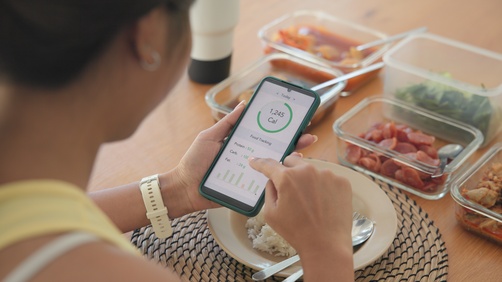
You’ve seen the advice: “hit your macros,” “track your protein,” “watch your carbs.” But most South Africans trying to do this are working from American food databases, percentages that make no practical sense, and rules that were never designed around pap, amasi, or biltong. The result is frustration, wild miscalculations, and a lot of perfectly nutritious food being unnecessarily cut. Here’s what macronutrients actually mean — in grams, for a typical South African adult.
First, what a macro actually is
Macronutrients are the three nutrients your body uses for energy and structure: protein, carbohydrates, and fat. Each carries a fixed energy value regardless of the food it comes from — protein delivers 17 kJ per gram, carbohydrates deliver 17 kJ per gram, and fat delivers 37 kJ per gram. Alcohol delivers 29 kJ per gram, which is why it adds up fast without providing protein, fibre, or useful fat.
Most nutrition targets are expressed as a percentage of total daily kilojoules — for example, “30% of energy from protein.” The problem is that percentages are nearly impossible to apply at a meal. Grams are what you can actually use.
The carb myth that won’t die — and why pap is not the enemy
The biggest macro misconception circulating in SA right now is that cutting carbs means cutting pap, samp, and rice entirely. This was turbocharged by the low-carb, high-fat (LCHF) movement, which peaked locally around 2014–2017 and was heavily promoted through the work of Professor Tim Noakes. The subsequent Health Professions Council of South Africa (HPCSA) hearing — which found Noakes not guilty of unprofessional conduct in 2017 — left many South Africans with the impression that LCHF had been vindicated as the single best diet for everyone. It wasn’t. The ruling was procedural, not a population-level dietary endorsement.
Current guidance from the South African Food-Based Dietary Guidelines, published by the Department of Health, recommends that carbohydrates remain the primary energy source for most adults, with whole-grain and minimally processed sources preferred. A 250 ml (roughly one cup) serving of cooked stiff pap made from unrefined maize meal delivers approximately 37 g of carbohydrates, 3 g of protein, and about 695 kJ — based on SAFOODS database figures. That is a reasonable carbohydrate portion, not an excess one, for an active adult.
Samp (dried stamped maize) is higher in resistant starch than refined maize meal, meaning a portion of it behaves more like fibre in the gut, producing a slower rise in blood glucose. For South Africans managing type 2 diabetes — a condition affecting roughly 4.2 million people nationally, according to the 2021 South African Demographic and Health Survey — this distinction matters. The issue is rarely the food itself; it is total portion size and what accompanies it.
How much protein do you actually need?
The global recommendation most frequently cited is 0.8 g of protein per kilogram of body weight per day — but this is the minimum to prevent deficiency, not the target for someone managing weight or building muscle. For active adults or anyone eating in a kilojoule deficit, the South African Sports Medicine Association (SASMA) and international consensus align at 1.2–2.0 g per kilogram per day.
In practice: a 70 kg adult doing moderate exercise needs roughly 84–140 g of protein daily. A 90 kg adult needs 108–180 g daily.
Now translate that to local food. A 100 g portion of beef biltong delivers approximately 55 g of protein and 1,280 kJ (figures vary by brand dryness; use the label). A 250 ml cup of full-fat amasi provides around 8 g of protein and 600 kJ. Two large eggs give you roughly 12 g of protein and 600 kJ combined. A 150 g portion of grilled chicken breast adds about 42 g of protein and 840 kJ.
To hit 120 g of protein for the day — a reasonable midpoint target for a 75–90 kg adult — you would need to combine sources deliberately across meals. Relying on a single protein food or eating protein only at dinner is one of the most common and most correctable mistakes.
No local data exists on protein intake shortfalls specifically in the SA general adult population; UK NDNS data suggests most adults fall well short of targets when not actively tracking, and this pattern is likely similar here.
Fat: what “healthy fat” means in gram terms
Fat is the macro most frequently misunderstood in two opposite directions. Some people eat far too little, fearing any fat after decades of low-fat messaging. Others, following LCHF approaches, eat far more than their total kilojoule budget allows. Because fat delivers 37 kJ per gram — more than double what protein or carbohydrates deliver — portions that look small add up quickly.
A general target for fat is 20–35% of total daily kilojoules. For someone eating 8,400 kJ per day (a moderate intake for a moderately active adult), that works out to 45–82 g of fat daily.
What does that look like? One tablespoon (15 ml) of olive oil adds 14 g of fat and 520 kJ. A quarter of an avocado delivers roughly 7 g of fat and 250 kJ. A 30 g portion of full-fat cheese adds around 9 g of fat and 500 kJ.
The type of fat matters. The Heart and Stroke Foundation South Africa recommends limiting saturated fats (found in fatty meats and full-fat dairy) and replacing them with unsaturated fats (found in avocados, fish, and plant oils) to reduce LDL cholesterol. In a country where cardiovascular disease is the second leading cause of death after infectious diseases, according to Statistics South Africa’s 2022 mortality data, this is not a minor distinction.
Putting it together: a realistic macro day using SA foods
The following sample is built for a moderately active 75 kg adult targeting approximately 8,400 kJ, 120 g protein, 200 g carbohydrates, and 60 g fat per day. Figures are from the SAFOODS database where available; where not, manufacturer label averages are used.
- Breakfast: 250 ml full-fat amasi (600 kJ, 8 g protein, 8 g carbs, 6 g fat) + 200 g cooked oats made with water (1,300 kJ, 10 g protein, 54 g carbs, 6 g fat)
- Lunch: 150 g grilled chicken breast (840 kJ, 42 g protein, 0 g carbs, 5 g fat) + 250 ml cooked samp (approximately 700 kJ, 4 g protein, 38 g carbs, 1 g fat) + 80 g cooked morogo/wild spinach (100 kJ, 3 g protein, 4 g carbs, 0 g fat)
- Snack: 50 g beef biltong (640 kJ, 27 g protein, 1 g carbs, 2 g fat)
- Dinner: 120 g grilled salmon (900 kJ, 25 g protein, 0 g carbs, 12 g fat) + 200 g roasted sweet potato (720 kJ, 3 g protein, 42 g carbs, 0 g fat) + 1 tbsp olive oil used in cooking (520 kJ, 0 g protein, 0 g carbs, 14 g fat)
- Totals: approximately 6,320 kJ, 122 g protein, 147 g carbs, 46 g fat
This day runs below the 8,400 kJ target, leaving room for a second snack (a piece of fruit or a few tablespoons of peanut butter, for example) or adjustments based on actual body weight and activity. Brand variation in biltong moisture content can account for up to 300 kJ difference across products — check the label of your specific brand for precision.
Getting help without the noise
Macro advice online is loud and frequently wrong. A registered dietitian (RD) can build targets specific to your health status, budget, and food preferences — something no app or influencer formula can do. In South Africa, a single private dietitian consultation runs between R800 and R1,500, depending on location and whether it’s initial or follow-up.
If you have medical aid, check whether your plan covers dietitian visits under chronic disease management benefits, particularly if you have a PMB condition such as type 2 diabetes or cardiovascular disease — both of which qualify under Prescribed Minimum Benefits regulations. Public sector patients can request a dietitian referral through their local clinic or community health centre, though waiting times and availability vary significantly between provinces.
Load-shedding affects clinic record systems and appointment scheduling in some areas — if you struggle to reach your clinic by phone, visit in person during morning hours when generator power is most reliably available.
When to see a dietitian or doctor
– You have type 2 diabetes, hypertension, or cardiovascular disease and want to change your eating pattern significantly
– You are losing or gaining weight without a clear reason
– You are pregnant, breastfeeding, or planning a pregnancy
– You are training for endurance sport and performance has dropped
Bottom line
- Aim for 1.2–2.0 g of protein per kg of body weight per day — that’s 90–150 g daily for a 75 kg adult, spread across meals.
- Keep carbs from whole, minimally processed sources like samp, oats, and sweet potato — cutting pap entirely is not required and rarely helpful.
- Track fat in grams, not attitude — at 37 kJ per gram, even healthy fats add up to real kilojoules quickly.
- Use the SAFOODS database or product labels for local food data rather than American nutrition apps with no SA entries.
- Consult a registered dietitian before making major changes if you have a chronic condition.
Medical Disclaimer: This article is for informational purposes only and does not constitute medical advice. Always consult a qualified, HPCSA-registered healthcare professional for diagnosis and personalised treatment.
Connect with HPCSA-registered gynaecologists and endocrinologists who specialise in hormonal health.
Browse Professionals

