Overtrained or undertested? Know the difference
Chronic fatigue killing your training? In SA, iron deficiency, thyroid problems, and HIV-related fatigue are routinely mistaken for overtraining syndrome.
Johno Meintjes
Sports Science
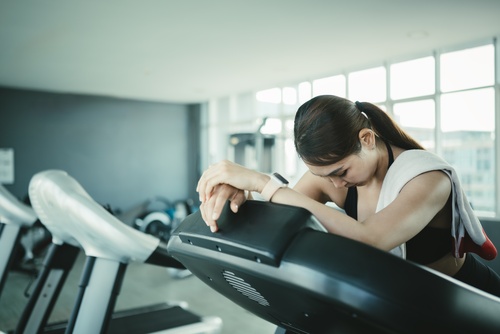
You’ve cut your training load. You’re sleeping more. You’ve taken two full weeks off. And you still feel wrecked. Before you blame overtraining syndrome, consider this: in South Africa, three medically distinct conditions — iron deficiency anaemia, subclinical hypothyroidism, and HIV-related fatigue — are routinely missed in active adults, and every one of them can produce symptoms that look almost identical to overtraining on paper.
Getting the diagnosis wrong doesn’t just cost you performance. It costs you time, and sometimes health.
What overtraining syndrome actually is
Overtraining syndrome (OTS) is a genuine, recognised condition. It occurs when training stress consistently exceeds recovery capacity over weeks or months, causing a cascade of hormonal, immunological, and neuromuscular disruption. Core symptoms include persistent fatigue, declining performance despite maintained or reduced training, mood disturbance, elevated resting heart rate, and disturbed sleep.
Crucially, OTS is a diagnosis of exclusion. The European College of Sport Science and the American College of Sports Medicine jointly confirmed in a 2013 consensus statement — still the field standard, with no SA-specific equivalent yet published — that clinicians must rule out medical causes before concluding OTS is the problem. In practice, this step is frequently skipped, particularly in gym settings and among recreational athletes who self-diagnose based on training logs.
The South African Sports Medicine Association (SASMA) endorses the same exclusion-first approach, yet the testing gap persists.
Why the confusion runs deep in SA
South Africa carries one of the world’s highest burdens of iron deficiency anaemia, hypothyroidism, and HIV — and all three disproportionately affect adults in their peak training years.
According to the South African Medical Research Council (SAMRC), iron deficiency anaemia affects roughly 17% of South African women of reproductive age. That figure rises further in female distance runners and cyclists due to foot-strike haemolysis, sweat losses, and inadequate dietary iron — particularly among athletes eating lower quantities of red meat or relying heavily on pap and vegetables without complementary iron-rich foods like biltong, liver, or red meat.
Hypothyroidism affects an estimated 2–5% of the general SA population, according to data reviewed in the South African Medical Journal, with subclinical hypothyroidism — where thyroid-stimulating hormone (TSH) is elevated but T4 remains in range — likely underdiagnosed because fatigue alone rarely prompts thyroid testing in otherwise healthy-seeming adults.
HIV remains a defining feature of SA’s disease burden. The NICD estimates that approximately 7.8 million South Africans were living with HIV at the end of 2023. Many people on antiretroviral therapy (ART) remain physically active and train regularly — but HIV-related fatigue, whether from the virus itself, ART side effects, or associated anaemia, can be severe and is clinically distinct from OTS.
The symptom overlap that trips everyone up
Here is where it gets diagnostically messy. Compare the core symptom profiles:
Overtraining syndrome: fatigue, mood changes, poor sleep, reduced motivation, declining performance, elevated resting heart rate.
Iron deficiency anaemia: fatigue, breathlessness on exertion, reduced endurance, cold intolerance, poor concentration, mood dips.
Subclinical hypothyroidism: fatigue, weight gain, cold intolerance, low mood, slow recovery, constipation, brain fog.
HIV-related fatigue: persistent tiredness disproportionate to exertion, low-grade fever episodes, muscle aching, mood disturbance, disturbed sleep.
Every item on those lists also appears in OTS. Without blood tests, a clinician — let alone a coach or the athlete themselves — cannot reliably separate them by symptoms alone.
The critical red flag that points away from OTS: rest does not resolve it. OTS typically shows meaningful improvement within two to six weeks of reduced training load. If six weeks of rest and good nutrition hasn’t shifted your energy levels, you almost certainly need a blood panel, not more recovery time.
What the tests look like — and what they cost
A basic fatigue screen for an active adult should include: full blood count (FBC), serum ferritin (not just haemoglobin — ferritin is a more sensitive marker of iron stores), TSH, free T4, and an HIV test if not recently done. A fasting glucose and HbA1c are worth adding given South Africa’s high diabetes burden; uncontrolled blood sugar produces fatigue that also mimics OTS.
In the public sector: Start at your nearest community health centre (CHC) or GP clinic. Explain that you are physically active and experiencing unexplained persistent fatigue. A referral to a district hospital for blood work is straightforward. The FBC, ferritin, and TSH are available through the National Health Laboratory Service (NHLS). HIV testing is free at any public health facility. Turnaround times can be three to seven days at district level, and load-shedding can delay lab systems — ask whether to follow up in person rather than waiting for a call.
In the private sector: A full fatigue panel at a Lancet or Ampath laboratory typically costs between R600 and R1,400 depending on tests included. A GP consultation runs R500–R900 at most urban practices. If you have medical aid, a fatigue workup for a symptomatic patient generally qualifies as a Prescribed Minimum Benefit (PMB) investigation for conditions like anaemia or hypothyroidism once a diagnosis is confirmed, but the initial screening visit may require a co-payment. Check your plan’s chronic disease list: hypothyroidism and HIV are both PMB-listed conditions, meaning your medical aid must cover treatment at cost if diagnosed.
A practical barrier: Many active adults — especially those training before dawn or during lunch — cannot easily access a clinic during load-shedding-affected hours or take time off work for repeat visits. Request a combined panel from your doctor upfront so you aren’t making multiple trips for single tests.
How to address each condition
Iron deficiency responds well to dietary change and supplementation when started correctly. A registered dietitian can assess whether your training diet is providing adequate haem iron (from meat, offal) or whether an oral iron supplement is needed — typically 100–200 mg of elemental iron daily for three to six months under medical supervision. Ferritin levels below 30 µg/L in an athlete are clinically significant even if haemoglobin is normal; performance can drop before full anaemia develops.
Subclinical hypothyroidism with a TSH above 10 mIU/L is generally treated with levothyroxine; values between 4.5 and 10 mIU/L are managed on a case-by-case basis depending on symptoms. Do not self-medicate with over-the-counter thyroid supplements — no local or international regulatory body endorses them, and several contain unlisted active compounds.
HIV-related fatigue is managed through optimised ART adherence, treatment of associated anaemia, and sometimes adjusted regimens in consultation with an infectious disease physician. The public sector offers free ART through the Dept of Health’s treatment programme; private-sector ART costs vary significantly by regimen, but PMB rules require medical aids to fund treatment.
OTS itself, once genuinely confirmed by exclusion, is managed with periodised rest, adequate kilojoule intake (underfuelling is a major driver — eat enough), and a graded return to training over six to 12 weeks.
When to see a doctor
Make an appointment if:
– Fatigue persists for more than four weeks despite reduced training
– You notice breathlessness during workouts that were previously manageable
– Your resting heart rate has risen by more than 7 beats per minute without explanation
– You have not had an HIV test in the past 12 months and are sexually active
– You are a menstruating woman and have not had ferritin checked in the past year
– You experience unexplained weight gain, cold intolerance, or persistent low mood alongside fatigue
>
Public health clinics and CHCs are a valid first stop. You do not need a specialist referral to get basic blood tests.
The bottom line
- Treat OTS as a diagnosis of last resort, not a first assumption — get a blood panel before prescribing rest.
- Request ferritin, not just haemoglobin, particularly if you are a menstruating woman or a high-volume endurance athlete; ferritin below 30 µg/L impairs performance before anaemia develops.
- If you are living with HIV and training regularly, discuss fatigue specifically with your treating clinician — it has distinct causes and distinct solutions.
- Public-sector testing for HIV, anaemia, and thyroid function is accessible and free or low-cost at community health centres; load-shedding delays are real, so ask for a combined panel upfront.
- Do not buy thyroid or adrenal supplements based on fatigue symptoms alone — get the diagnosis confirmed first.
Medical Disclaimer: This article is for informational purposes only and does not constitute medical advice. Always consult a qualified, HPCSA-registered healthcare professional for diagnosis and personalised treatment.
Connect with HPCSA-registered gynaecologists and endocrinologists who specialise in hormonal health.
Browse Professionals

