Overtraining Syndrome in SA: When Hard Work Becomes Harm
Tired legs or something more serious? Learn the difference between normal fatigue and overtraining syndrome — and why SA athletes are at risk.
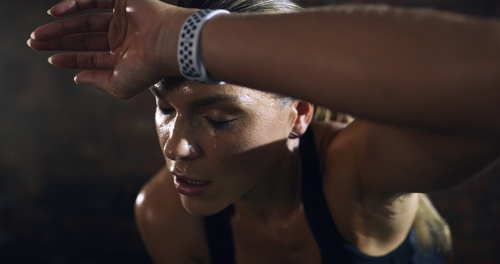
You’ve just come off another big weekend: a 35 km long run on Saturday, a hard park run on Sunday, and legs that still haven’t recovered by Wednesday. You push through Thursday’s session anyway. This is the SA recreational athlete’s reality — and for a growing number of weekend warriors training for Comrades, Two Oceans, or the Cape Town Cycle Tour, it is also the setup for one of sport medicine’s most underrecognised conditions.
Overtraining syndrome (OTS) is not just being tired. It is a systemic physiological breakdown that can take months to resolve. Knowing the difference between ordinary fatigue, overreaching, and true OTS could save your season — or your health.
The scare that shaped the conversation — and why it needs context
Before the science: if you’ve read anything about overtraining online, you’ve likely hit the claim that “your body is eating your muscles” or seen cortisol-heavy social media content selling rest days as a product. Most of that content conflates three distinct things. Normal muscle soreness is not overtraining. Short-term overreaching — a planned or accidental spike in training load — resolves with one to two weeks of reduced training. True OTS is clinically different: it persists despite rest, impairs performance across multiple systems, and requires weeks to months for full recovery. Treating them all the same leads either to unnecessary panic or, more dangerously, to dismissing real OTS as laziness.
What is overtraining syndrome, exactly?
OTS is a neuroendocrine, immunological, and psychological disturbance caused by a chronic mismatch between training load and recovery capacity. The South African Sports Medicine Association (SASMA) and international sport science consensus both describe it as a diagnosis of exclusion — you rule out illness, nutritional deficiency, sleep disorder, and psychological causes first.
Key symptoms include:
- Persistent performance decline lasting more than two weeks despite adequate rest
- Unexplained fatigue that is not relieved by a rest day or two
- Mood disturbance: irritability, depression, or loss of motivation
- Sleep disruption — either insomnia or excessive sleepiness
- Elevated resting heart rate (typically 5–10 beats per minute above your normal baseline)
- Frequent illness, particularly upper respiratory tract infections, because OTS suppresses immune function — a particular concern in SA where TB and HIV remain prevalent and immune competence matters at baseline
- In women: menstrual irregularity or loss of period (functional hypothalamic amenorrhoea)
No single blood test confirms OTS. A sports physician will typically assess resting heart rate trends, hormonal panels (including cortisol and testosterone ratios), haemoglobin, ferritin (iron stores), and thyroid function to exclude other causes.
Who is most at risk in the SA context?
SA’s recreational sport culture runs at a uniquely high volume. The Comrades Marathon alone attracts roughly 25,000 runners annually, many of them self-coached or following generic online plans. The Two Oceans Ultra and the Cape Town Cycle Tour draw tens of thousands more. Unlike elite athletes who train with periodised recovery built in, most SA weekend warriors are fitting 60–90 km running weeks around full-time jobs, load-shedding-disrupted sleep, and financial pressure — all of which are independent stressors that compound the physiological load.
Research published in the South African Journal of Sports Medicine has highlighted that underfuelling is a significant OTS driver among amateur endurance athletes in SA. Training at high volume on a diet insufficient in kilojoules — a common pattern in athletes also trying to lose weight — sharply accelerates the breakdown. Specifically, a sustained daily energy deficit exceeding 2,100 kJ while training more than 10 hours per week raises the risk of hormonal suppression and immune dysregulation, the twin pathways into OTS.
Women training for endurance events face additional risk. Relative Energy Deficiency in Sport (RED-S) — a condition where energy availability falls below what the body needs to sustain both training and normal physiological function — drives menstrual disruption, bone stress injury, and OTS. No large SA prevalence data exists for RED-S specifically, but UK Sport England data suggests it affects up to 45% of female recreational endurance athletes.
Overreaching vs overtraining: the line that matters
Functional overreaching is deliberate: a coach builds in a hard training block and plans recovery around it. Performance dips temporarily, then rebounds — usually within one to two weeks of reduced load. This is normal periodisation.
Non-functional overreaching is unplanned and takes two to four weeks of reduced training to resolve. Performance stays suppressed. Mood drops. This is where most self-coached SA athletes sit when they ignore early warning signs.
OTS proper takes more than two months to resolve in most documented cases and may extend to a year in severe presentations. One widely cited 2012 European study (no SA equivalent exists) found that elite athletes with confirmed OTS required an average of 32 weeks before returning to competitive performance. For a recreational runner, that means missing an entire racing season.
The practical test: if two full rest days do not meaningfully improve your energy, mood, and motivation to train, you are past the normal tiredness threshold and need professional assessment.
Getting help: access and real costs in SA
Public sector pathway: Your first stop is a local clinic or community health centre (CHC). A general practitioner can order baseline bloods — full blood count, ferritin, thyroid function, cortisol — and refer you to a district hospital sports medicine unit if available. Public sector sport medicine capacity is limited; Johannesburg’s Helen Joseph Hospital and Groote Schuur in Cape Town have specialist units, but waiting times can stretch to several weeks.
Private sector costs: A private sports physician consultation runs roughly R800–R1,500 for the initial assessment. A comprehensive hormonal panel through a private pathology lab (Lancet or PathCare) costs R600–R1,200 depending on the tests requested. A registered dietitian, essential if underfuelling is suspected, charges R500–R900 per session in most urban centres.
Medical aid coverage: OTS does not have a specific ICD billing code that triggers Prescribed Minimum Benefit (PMB) status automatically. However, if OTS is presenting with anaemia, thyroid dysfunction, or another PMB-listed condition as a comorbidity, those investigations should be covered at cost. Check with your medical aid’s clinical team — schemes such as Discovery, Momentum, and Bonitas have sport and wellness benefit riders that may cover initial consultations.
Practical barriers: Load-shedding affects clinic operating hours and pathology turnaround times in some areas. If your area has scheduled outages, book morning appointments and ask labs about refrigeration protocols for blood samples. Transport costs to specialist units in urban hospitals are a real barrier for athletes in peri-urban or rural areas; a GP telephone consult for initial triage is a reasonable first step and increasingly covered by medical aid gap benefits.
When to see a doctor
See a GP or sports physician if:
– Your fatigue has not improved after two weeks of significantly reduced training
– You are experiencing mood changes, sleep disruption, or persistent illness alongside performance decline
– You have missed two or more consecutive menstrual cycles while training
– Your resting heart rate has been elevated for more than 10 consecutive days
– You have a known HIV-positive status or are on immunosuppressive medication — OTS-related immune suppression compounds existing risk
How to recover — and how to avoid it next time
Recovery from OTS is not glamorous: it is structured rest, adequate fuelling, and time. Evidence supports at least 1.6 g of protein per kg of body weight daily during recovery — for a 70 kg runner, that is 112 g per day — to limit muscle loss. Total energy intake must match or slightly exceed training-adjusted needs. South African protein sources that work well here include amasi (Greek-style varieties have 10–14 g of protein per 175 ml serving), eggs, biltong (roughly 25–30 g of protein per 50 g portion), and canned fish.
Sleep is not optional in recovery: seven to nine hours per night is the physiological minimum for neuroendocrine repair. Load-shedding at night genuinely disrupts this — a charged power bank for white noise, blackout curtains, and fixed sleep times help blunt the effect.
Prevention comes down to three things: planned recovery weeks (every third or fourth week of training should be a reduced-load week), adequate fuelling especially on high-volume days, and honest self-monitoring of resting heart rate and mood. A cheap heart rate monitor or smartwatch worn daily gives you the trend data a doctor needs if you eventually require assessment.
Bottom line
- Recognise the spectrum: normal tiredness resolves in 24–48 hours; overreaching takes one to two weeks; OTS takes months.
- Track your resting heart rate daily — a sustained rise of 5+ beats per minute above baseline is an early warning sign worth acting on.
- Fuel your training load — cutting kilojoules while training at high volume is one of the fastest routes to OTS.
- See a GP or sports physician if fatigue persists beyond two weeks of rest — take a resting heart rate log and a training diary to the appointment.
- Self-coached SA athletes training for Comrades or Two Oceans should build a recovery week into every third or fourth week of their plan, without exception.
Medical Disclaimer: This article is for informational purposes only and does not constitute medical advice. Always consult a qualified, HPCSA-registered healthcare professional for diagnosis and personalised treatment.
Connect with HPCSA-registered gynaecologists and endocrinologists who specialise in hormonal health.
Browse Professionals

